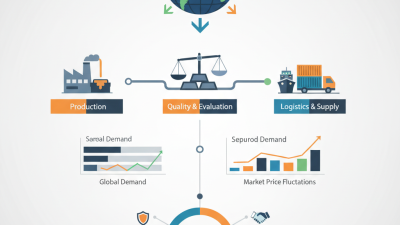
Top Benefits of Ferro Silicon Magnesium for Global Buyers?
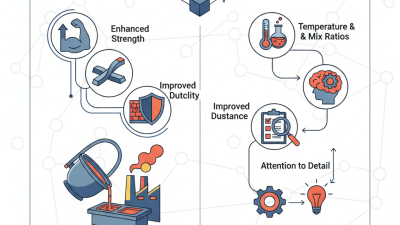
Ferro Silicon Magnesium is gaining traction among global buyers, particularly in industries such as automotive and manufacturing. This alloy enhances the properties of cast iron, improving its strength and ductility. According to a report by Smith & Associates, the global Ferro Silicon Magnesium market is expected to reach $1.5 billion by 2025.
Industry expert Dr. Emily Chang, a metallurgical engineer, emphasizes the significance of this material, stating, "Ferro Silicon Magnesium plays a crucial role in improving cast iron quality." This insight highlights why manufacturers are increasingly interested in its benefits.
Moreover, Ferro Silicon Magnesium offers economic advantages. The production process is efficient, making it cost-effective for large-scale operations. However, some challenges persist, like sourcing high-quality raw materials. Addressing these issues may require collaboration across the supply chain. As the market evolves, understanding the complexities of Ferro Silicon Magnesium will be vital for global buyers seeking competitive advantages.
Benefits of Ferro Silicon Magnesium in Enhancing Steel Quality
Ferro Silicon Magnesium is a critical addition in steel production. It plays a vital role in improving the quality of steel. Magnesium acts as a strong deoxidizer, enhancing steel's mechanical properties. This results in increased toughness and ductility, essential for various applications.
Steel manufacturers benefit significantly from using Ferro Silicon Magnesium. It helps in refining grain structure. A finer grain size leads to improved strength. Without proper grain structure, a product may fail under stress. Buyers must assess how different magnesium levels impact steel performance.
The reliability of Ferro Silicon Magnesium is evident in its performance. Yet, not all suppliers deliver consistent quality. Buyers should be cautious and research thoroughly. Variations in composition can lead to unexpected results. Making informed decisions can prevent costly mistakes in steel production.
Ferro Silicon Magnesium's Role in Ductile Iron Production
Ferro Silicon Magnesium (FeSiMg) is crucial in the production of ductile iron. This alloy enhances the mechanical properties of iron, significantly increasing tensile strength and ductility. Reports indicate that incorporating just a small amount of FeSiMg can improve the fluidity and castability of iron. This is particularly beneficial for industries manufacturing complex shapes and components.
Research shows that the use of FeSiMg in ductile iron can increase the material's impact resistance by up to 50%. This improvement is vital for automotive and industrial applications, where safety and reliability are paramount. The demand for ductile iron castings has surged, driven by its favorable properties and cost-effectiveness. As a result, global buyers appreciate the value FeSiMg brings to the production process.
While Ferro Silicon Magnesium offers numerous advantages, some challenges remain. For instance, maintaining consistent quality and composition is essential for achieving desired outcomes. Variations in raw materials can lead to unpredictable results. Consequently, ensuring a reliable supply chain and rigorous quality control measures become priorities for manufacturers.
Economic Advantages: Cost-Effectiveness of Ferro Silicon Magnesium
Ferro Silicon Magnesium (FeSiMg) presents significant economic advantages for global buyers. This alloy is primarily used in ductile iron production, offering enhanced castability and strength at lower costs. According to industry reports, using FeSiMg can reduce production costs by approximately 15% compared to alternatives. This cost-effectiveness attracts many manufacturers seeking competitive advantages in a demanding market.
One of the key benefits of FeSiMg is its efficiency in enhancing material properties without substantial investment. As the market grows, the demand for high-quality, cost-efficient materials increases. Reports highlight that the adoption of FeSiMg leads to fewer defects in cast products; this reduces the need for costly rectifications. Notably, its availability on the global market helps stabilize pricing, ensuring sustained economic benefits.
Though the advantages are clear, potential buyers should assess local supply chains and quality standards. Variability in alloys can affect performance and cost. Engaging with reputable suppliers can mitigate risks associated with inconsistent quality. Balancing cost savings with material integrity remains a consideration for manufacturers seeking to optimize their production processes.
Environmental Impact: Ferro Silicon Magnesium and Sustainable Practices
Ferro Silicon Magnesium (FeSiMg) has gained traction in sustainable metal production. Its role in foundries and alloy creation enhances material properties. However, this comes with environmental considerations. The extraction and processing of FeSiMg can lead to greenhouse gas emissions if not managed carefully.
Adopting sustainable practices in the FeSiMg industry is crucial. Implementing energy-efficient technologies can reduce emissions. Similarly, sourcing raw materials responsibly minimizes the ecological footprint. The industry must constantly seek innovative methods to enhance productivity while safeguarding the environment.
The balance between production benefits and environmental impact requires ongoing reflection. As global buyers demand greener solutions, the challenge lies in integrating sustainability into the overall supply chain. A commitment to eco-friendly practices can ultimately lead to both economic and environmental gains. This ongoing journey needs vigilant efforts from all stakeholders involved.
Global Demand Trends for Ferro Silicon Magnesium in 2023
Ferro silicon magnesium (FeSiMg) continues to gain traction globally as demand surges in various industries. Kicking off 2023, trends highlight increased usage in ductile iron production, a sector that values FeSiMg’s ability to enhance material properties. The automotive industry stands out as a significant driver due to the need for stronger, lighter components. This shift reflects an ongoing commitment to innovation and performance improvement.
The global market for FeSiMg sees notable growth in regions such as Asia-Pacific and Europe. Increased emphasis on sustainable manufacturing practices dovetails with this surge. Buyers are looking for reliable sources of high-quality FeSiMg that meet environmental standards. The volatility of raw material costs poses a challenge though. Buyers must remain aware of fluctuating prices and adjust their strategies accordingly.
When navigating the FeSiMg market, engaging with suppliers who understand these trends is critical. Stay informed about industry reports and market analysis to make educated purchasing decisions. Assess your specific needs and consider the broader implications of your choices. As the landscape evolves, flexibility in procurement strategies will serve buyers well.
Top Benefits of Ferro Silicon Magnesium for Global Buyers
| Benefit |
Description |
Global Demand Trend (2023) |
Major Application Areas |
| Improved Mechanical Properties |
Ferro Silicon Magnesium enhances the strength and ductility of cast iron. |
Increasing |
Automotive, Construction |
| Cost-Effectiveness |
Reduces the overall material cost for manufacturers. |
Stable |
Manufacturing, Heavy Machinery |
| Enhanced Wear Resistance |
Provides excellent wear resistance, prolonging product lifespan. |
Growing |
Mining, Tool Manufacturing |
| Better Fluidity |
Improves the flow of molten metal during casting. |
Increasing |
Foundries, Casting Industries |
| Environmental Benefits |
Reduces carbon footprint compared to other alloys. |
Increasing |
Sustainable Manufacturing |