Ferro Silicon Magnesium Best Suppliers for Global Buyers?
Ferro Silicon Magnesium is a critical component in metallurgy and manufacturing. Its unique properties enhance strength and durability in various alloys. As global demand rises, sourcing quality materials becomes essential. Buyers face challenges navigating the market.
Finding reliable suppliers of Ferro Silicon Magnesium can be daunting. Not all suppliers maintain the same standards. Variations in quality can affect the final product. It’s crucial to evaluate suppliers based on their reputation and production practices.
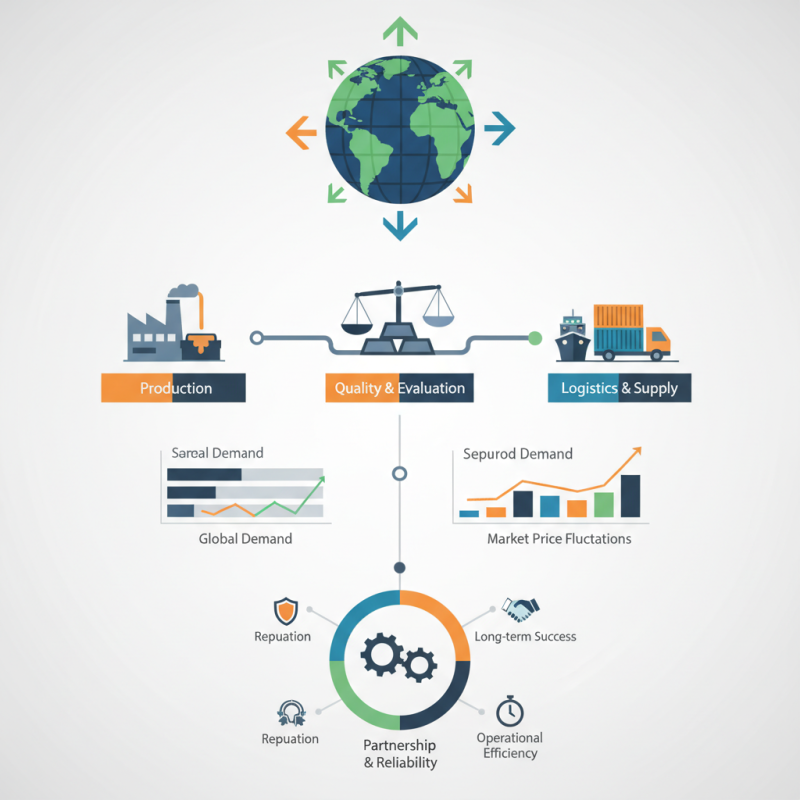
Market trends indicate fluctuating prices and availability. Buyers should stay informed about these dynamics. Developing partnerships with reputable suppliers could lead to long-term success. The right choice in sourcing can significantly impact operational efficiency.
Understanding Ferro Silicon Magnesium and Its Applications
Ferro silicon magnesium (FeSiMg) is a pivotal alloy widely used in the production of ductile iron. It enhances the mechanical properties of iron, making it more durable and corrosion-resistant. According to a report by ResearchAndMarkets, the global ferro silicon magnesium market was valued at approximately $750 million in 2022 and is projected to grow at a CAGR of 4.2% through 2027. This growth is fueled by increasing demands in the automotive and construction industries, where strong, lightweight materials are crucial.
Ferro silicon magnesium plays a significant role in casting processes. It improves fluidity and reduces defects in cast iron products. A study published in the Journal of Materials Science highlighted that adding FeSiMg can decrease the occurrence of shrinkage cavities in castings. Despite its advantages, sourcing high-quality ferro silicon magnesium remains a challenge for many manufacturers. Variability in alloy composition can lead to inconsistent results. This emphasizes the importance of selecting reliable suppliers who can consistently deliver high-grade materials.
Moreover, effective quality control measures are essential. The lack of standardization in some regions can compromise product quality. Buyers must engage with suppliers that adhere to international standards. Building long-term relationships can help ensure a stable supply of superior materials. Therefore, while the ferro silicon magnesium market appears promising, it requires careful consideration and reflection from both buyers and suppliers.
Ferro Silicon Magnesium Best Suppliers for Global Buyers
| Supplier Region |
Monthly Production Capacity (tons) |
Main Applications |
Quality Certification |
Average Delivery Time (days) |
| Asia |
5000 |
Steel Production, Foundries |
ISO 9001 |
30 |
| Europe |
6000 |
Automotive, Aerospace |
CE Mark, ISO 14001 |
25 |
| North America |
4000 |
Construction, Electronics |
ISO 45001 |
20 |
| South America |
3000 |
Chemicals, Heavy Industry |
ISO 9001 |
35 |
Key Factors in Selecting Ferro Silicon Magnesium Suppliers
When selecting Ferro Silicon Magnesium suppliers, several key factors come into play. First, it’s essential to assess the supplier's experience in the industry. A supplier with years of expertise often offers better quality and reliability. They should have a proven track record of delivering consistent products.
Quality is another critical factor. Always inquire about the supplier's sourcing methods. Check if they adhere to international standards. Reliable suppliers typically provide certifications that demonstrate their commitment to quality control. It’s wise to request samples before making large orders.
Communication is vital in supplier relationships. A responsive supplier can address concerns promptly. Reliability in shipping and delivery timelines cannot be overlooked. Sometimes, delays can occur; understanding how a supplier manages these situations reveals their professionalism. Transparency regarding pricing and terms is also essential for a smooth transaction.
Top Global Suppliers of Ferro Silicon Magnesium: A Comparative Analysis
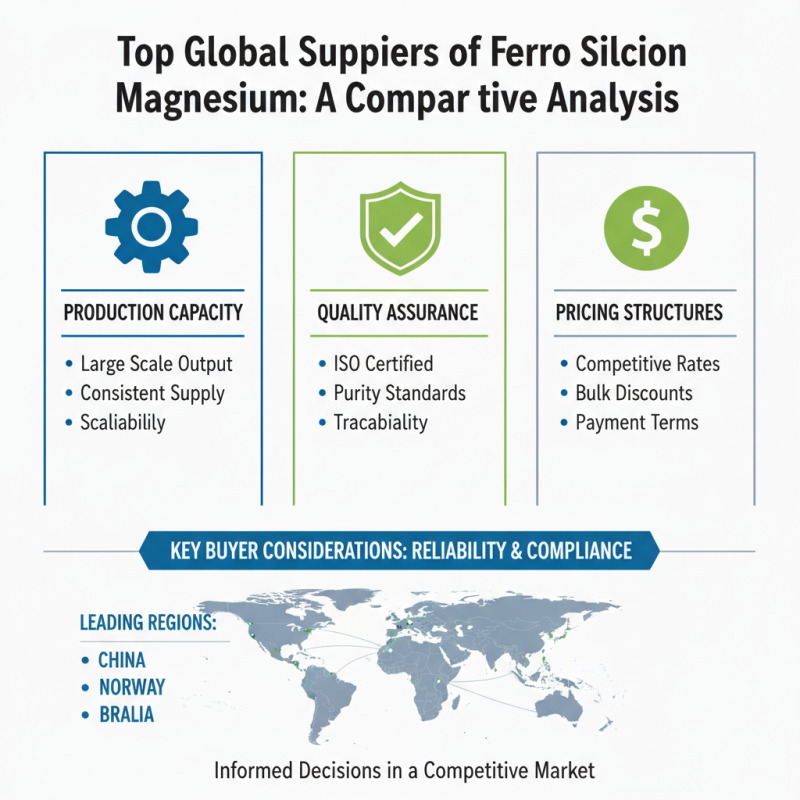
When sourcing Ferro Silicon Magnesium (FeSiMg), global buyers face various challenges. The market is highly competitive, with many suppliers vying for attention. Understanding key suppliers helps in making informed decisions. Buyers should evaluate suppliers based on their production capacity, quality assurance processes, and pricing structures. A reliable supplier often demonstrates compliance with international standards.
Assessing the geographical availability of suppliers is equally crucial. Regions rich in natural resources tend to produce high-quality FeSiMg. However, transportation costs can affect overall pricing. Buyers must also consider lead times for deliveries. Some suppliers might have impressive production rates but could lag in shipping efficiency.
Transparency plays a vital role in supplier relationships. Buyers should seek out suppliers who provide full insights into their operational practices. A strong communication channel helps build trust. In this complex market, continuous assessment of supplier performance is necessary. This can lead to better collaborations and quality products in the long term.
Quality Standards and Certifications for Ferro Silicon Magnesium Suppliers
When sourcing Ferro Silicon Magnesium (FeSiMg), understanding the importance of quality standards is crucial. Suppliers must adhere to international quality certifications, such as ISO 9001 and ISO 14001, which signal their commitment to consistent quality and environmental management. Reports indicate that around 75% of international buyers prioritize suppliers with these certifications, showing the value placed on quality assurance.
Many suppliers undergo rigorous testing to meet industry specifications. For instance, the American Society for Testing and Materials (ASTM) has established guidelines that dictate the chemical composition and mechanical properties of FeSiMg. Meeting these standards cannot be taken lightly. A failure to comply can result in product recalls or reputational damage.
In an industry where quality discrepancies can lead to significant financial loss, suppliers must invest in quality control measures. Yet, not every supplier maintains transparency in their processes. Some may present misleading certifications or fail to disclose production challenges. This highlights the need for buyers to conduct thorough audits and engage with suppliers directly. Understanding the complexities of quality standards can lead to better purchasing decisions in the Ferro Silicon Magnesium market.
Ferro Silicon Magnesium Quality Standards and Certifications
This bar chart represents the distribution of quality standards and certifications among Ferro Silicon Magnesium suppliers globally. The standards include ISO 9001 for quality management, ISO 14001 for environmental management, OHSAS 18001 for occupational health and safety, as well as compliance with REACH and RoHS regulations. The numbers indicate the count of suppliers certified under each standard.
Trends and Future Outlook in the Ferro Silicon Magnesium Market
The ferro silicon magnesium market is witnessing significant transformation. Recent trends indicate a shift towards sustainable production methods. Data suggests that the demand for ferro silicon magnesium is growing, especially in regions investing in green technologies. For example, the global market size is projected to reach USD 4.5 billion by 2026, with a compound annual growth rate of 6.5%.
Factors driving this growth include rising demand from the automotive and aerospace sectors. As manufacturers seek lightweight materials, ferro silicon magnesium becomes crucial. However, the market faces challenges with raw material prices fluctuating. The industry grapples with balancing production costs and sustainable practices.
Additionally, environmental regulations are shaping market dynamics. Stricter policies compel producers to adopt cleaner methods. Future outlooks hint at innovation in recycling processes, which could enhance supply chains. These shifts will require suppliers to adapt continuously to remain competitive. A proactive approach is essential to navigate the evolving landscape.