Leave Your Message

Top Silicon Bronze Uses for Global Buyers

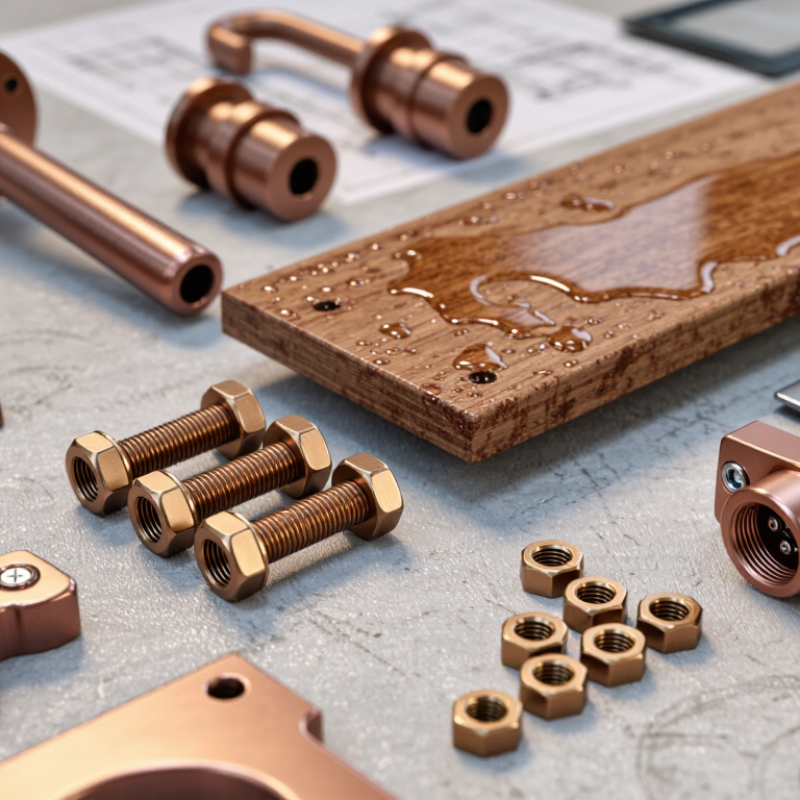
For global buyers, understanding Silicon Bronze uses begins with matching the alloy to real service conditions. This copper-based material combines strength, corrosion resistance, and dependable wear performance. It is widely considered for marine fasteners, pump components, valve parts, electrical connectors, architectural hardware, and decorative fixtures. Each application has different demands.

A bronze bolt on a saltwater deck faces moisture, chloride exposure, vibration, and repeated maintenance. A connector in an industrial panel needs stable conductivity and secure contact. Manufacturers may select grades such as C65500 or C65100, but grade choice should follow the drawing, operating temperature, load, and required finish. Small differences matter. Buyers should review chemical composition, mechanical properties, dimensions, and applicable ASTM, EN, or equivalent specifications before ordering.

Reliable sourcing involves more than comparing price per kilogram. Experienced procurement teams request mill test certificates, batch traceability, inspection reports, and clear information about heat treatment or machining condition. They also confirm whether the supplier can maintain consistent color, thread accuracy, and surface quality across repeat orders. These details prevent costly surprises.

Not every application needs Silicon Bronze. In some environments, another copper alloy may offer better strength, conductivity, or cost control. That judgment can be difficult. Corrosion resistance also depends on water chemistry, joint design, galvanic contact, and maintenance practices. A practical evaluation should include samples, technical consultation, and field experience rather than relying on a catalog description alone. The following outline examines major uses, purchasing criteria, and common selection mistakes for buyers seeking dependable performance across international supply chains.
Top Silicon Bronze Uses for Global Buyers

What Silicon Bronze Is and Why Global Buyers Choose It

Silicon bronze is a copper-based alloy containing silicon and often small amounts of manganese or zinc. Its warm, reddish-gold surface is distinctive. More importantly, silicon improves strength, hardness, and resistance to seawater and atmospheric corrosion. The alloy also performs well in sliding joints, where ordinary steel may seize or rust. Common uses include marine fasteners, pump components, valve parts, architectural hardware, and artistic castings. It is not a universal solution. High loads, high temperatures, and aggressive chemicals still require engineering review.

Global buyers choose silicon bronze because service life can outweigh the higher purchase price. A bronze bolt on a dock may face salt spray, wet threads, and repeated maintenance. Silicon bronze can reduce replacement work in that setting. Many grades also offer good weldability and reduced sparking risk for selected fabrication applications. However, alloy grade matters. Performance still varies. Mechanical properties, conductivity, casting quality, and surface finish can differ between suppliers. Reliable purchasing should include material certificates, dimensional inspection, lot traceability, and testing against the required standard. A shiny surface alone proves very little.

Tips: Match the alloy to the environment, not just the drawing. Ask for composition data and corrosion-test evidence when exposure is severe. Check the threads. Confirm compatibility with the mating material. Avoid assuming every silicon bronze item has identical performance. That assumption can become expensive.

Key Properties That Define Silicon Bronze Performance

Silicon bronze earns attention where strength, corrosion resistance, and dependable assembly matter. Its copper-rich structure performs well in seawater, humid air, and many industrial environments. This makes it suitable for marine fasteners, valves, pumps, electrical hardware, and architectural fittings. It also resists biofouling better than many ordinary copper alloys.

The alloy’s silicon content improves strength and hardness without making it excessively brittle. It offers useful wear resistance in threaded parts and moving connections. Its low magnetic permeability supports selected electrical and instrumentation applications. It can also produce clean, controlled welds when operators use suitable procedures. Not every grade behaves identically. Buyers should verify chemical composition, temper, tensile strength, and elongation through supplier test records.

Corrosion resistance is valuable, but it is not unlimited. Strong acids, stagnant contaminated water, or poor joint design can still cause damage. Silicon bronze usually conducts electricity less effectively than pure copper. That trade-off can matter in power components. Machining may also require slower cutting speeds and sharp tools. A practical mistake is choosing the alloy from its name alone. Check the actual service temperature, load, seawater exposure, and installation method. Small details matter. For global purchasing, consistent documentation, dimensional inspection, and lot traceability help reduce surprises across different manufacturing locations.

Top Industrial Uses of Silicon Bronze Worldwide

Silicon bronze serves demanding industries worldwide, especially where corrosion resistance and dependable strength matter. Marine builders use it for propeller hardware, fasteners, valves, and pump components exposed to salt water. Its copper-rich structure resists dezincification, a practical advantage in coastal equipment. ASTM B98/B98M covers wrought silicon-bronze rod, bar, and shapes used in manufactured components.

Electrical and infrastructure projects also use silicon bronze for grounding clamps, connectors, and corrosion-resistant hardware. The U.S. Geological Survey reported about 22 million metric tons of mined copper production worldwide in 2023. That figure shows the scale of copper-based industrial supply, although major reports rarely separate silicon bronze volumes. The International Copper Study Group projected global refined copper usage near 26 million metric tons in 2024. Demand remains tied to power systems, transport, construction, and renewable infrastructure.

Foundries select silicon bronze for impellers, bushings, bearing parts, and architectural castings. ASTM B584 provides requirements for copper-alloy sand castings, including applications requiring reliable mechanical performance. In workshops, machinists often value its clean cutting and resistance to galling. Still, it is not perfect. Alloy selection, heat treatment, casting quality, and salt exposure can change service life sharply. Some buyers may overestimate its strength without checking load cycles, water chemistry, and joining methods. Procurement teams should request chemical composition, tensile data, dimensional tolerances, and traceable inspection records before approval.

How to Select the Right Silicon Bronze Product

Top Silicon Bronze Uses for Global Buyers

Selecting the right silicon bronze product starts with its working environment. Marine fittings need strong resistance to saltwater, while architectural fasteners may prioritize appearance and stable color. Electrical grounding parts require careful attention to conductivity. Do not treat every silicon bronze grade as interchangeable.

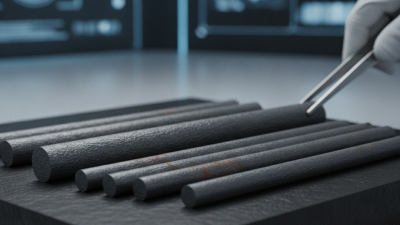
Begin with the product form. Rods suit machined bushings and pins. Sheets support brackets, plates, and decorative panels. Wire works for formed parts and specific joining processes. Cast products can handle complex shapes, but porosity must be checked. Small details matter.

Review the alloy designation, temper, dimensions, and applicable ASTM or EN requirements. Ask for a mill certificate and confirm chemical composition. A reliable supplier should also provide inspection records, tolerances, and traceability. Check tensile strength, hardness, and corrosion performance against the actual design load.

Consider how the part will be made. A highly machinable grade may reduce tool wear, but it may not deliver the highest strength. For threaded fasteners, verify thread accuracy and torque behavior. For welded assemblies, confirm procedure compatibility before production. Test samples in salt spray or humidity when exposure is severe.

A perfect selection is rare. I would not rely on appearance alone. Even a clean bronze surface can hide dimensional errors. Review packaging, export markings, and moisture protection before shipment. Global buyers should also confirm local standards and installation conditions. Small mistakes become expensive after installation.

Top Silicon Bronze Uses for Global Buyers

Typical engineering benchmarks help buyers match silicon bronze products with marine hardware, fasteners, welding components, valves, and electrical connectors. Values are representative ranges and should be confirmed against the applicable ASTM or EN product standard.

Selection guide: choose silicon bronze when corrosion resistance, weldability, and dependable strength are more important than maximum electrical conductivity. For marine and outdoor applications, prioritize corrosion performance and suitable product form; for fasteners and connectors, also verify tensile strength, hardness, thread performance, and dimensional standards.

Global Buying Factors: Grades, Standards, and Supply Forms

Top Silicon Bronze Uses for Global Buyers

Silicon bronze is chosen for marine fasteners, architectural hardware, valves, and electrical components. The grade matters more than the attractive golden surface. C65100 offers lower silicon content, while C65500 provides higher strength and strong corrosion resistance. Buyers should match the grade with saltwater exposure, forming needs, and machining limits. ASTM B98/B98M covers copper-silicon alloy wire, while regional EN specifications may define different dimensions and tolerances. Confirm the exact standard before requesting quotations.

Supply form changes purchasing risk. Rod and bar suit turned parts; wire supports cold forming; plate and sheet serve brackets and covers. Tubes may require longer lead times, especially for uncommon sizes. The USGS Mineral Commodity Summaries 2024 reported about 22 million metric tons of mined copper production in 2023. That figure shows market scale, but it does not guarantee silicon bronze availability. The International Copper Study Group also continues to track copper demand, production, and refined-market balances, which can influence alloy surcharges.

Tips: Request the UNS grade, temper, diameter tolerance, test certificate, and country-specific standard in one document. Check whether “in stock” means finished material or only a nearby copper alloy. A small wording gap can create a costly substitution. Buyers sometimes focus on price first. That is understandable, but not always wise. Confirm chemistry and mechanical values before approving samples.

Top Silicon Bronze Uses for Global Buyers - Global Buying Factors: Grades, Standards, and Supply Forms

Silicon Bronze Grade Typical Material Characteristics Common Global Applications Relevant Standards and Specifications Available Supply Forms Key Buying Factors
UNS C65100
Low-Silicon Bronze
Copper-based wrought alloy with a lower silicon addition than high-silicon grades. Offers good corrosion resistance, electrical conductivity, and cold-forming capability. Electrical hardware Fasteners Cold-formed components General engineering parts ASTM B98/B98M for copper-silicon alloy rod, bar, and wire, where the ordered product and temper are covered. Additional requirements may be specified under ASTM B249/B249M for general requirements for wrought copper-alloy rod, bar, and wire. Round rod, bar, wire, coil, cut lengths, and machined blanks. Confirm temper, diameter or cross-section tolerance, straightness, surface condition, conductivity requirements, and whether the material is supplied to ASTM, EN, or another agreed specification.
UNS C65500
High-Silicon Bronze A
High-silicon bronze with strong resistance to atmospheric and seawater corrosion, good wear performance, and useful strength for heavily loaded components. Marine hardware Valves and pumps Welding components Architectural hardware Fasteners ASTM B98/B98M is commonly referenced for copper-silicon alloy rod, bar, and wire. ASTM B150/B150M may apply to plate, sheet, and strip when the product form and alloy designation are included. Always verify the exact edition and product scope before purchase. Rod, bar, wire, plate, sheet, strip, forged stock, and custom-cut sections. Evaluate corrosion exposure, required tensile strength, hardness, machining allowance, weldability, dimensional tolerances, and the need for heat or surface treatment.
UNS C65600
High-Silicon Bronze B
Silicon bronze grade used where a combination of strength, corrosion resistance, and wear resistance is required. Mechanical properties depend strongly on product form and temper. Heavy-duty bushings Bearings Valve parts Industrial machinery Marine assemblies Product-specific ASTM copper-alloy standards may be used for rod, bar, wire, plate, sheet, or strip. EN 12163, EN 12165, and EN 12167 can be relevant for copper-alloy rod, forging stock, and profiles or bars when European specifications are required. Bar, rod, forged blanks, profiles, plate, strip, and semi-finished machining stock. Request certified chemical composition and mechanical properties. Check bearing-load requirements, friction conditions, dimensional stability, inspection level, and traceability documentation.
Silicon Bronze Welding Wire
Product-Specific Classification
Copper-silicon filler metal selected for joining compatible copper alloys, galvanized steel, and certain dissimilar-metal combinations. It is valued for low spatter and good arc performance in suitable processes. GMAW welding Automotive repair Sheet-metal fabrication Copper-alloy repair Common classifications include AWS A5.7/A5.7M for copper and copper-alloy bare electrodes and rods. The exact classification depends on the filler composition, welding process, and application. Spools, coils, straight lengths, and cut welding rods. Confirm filler classification, wire diameter, spool dimensions, shielding-gas compatibility, surface cleanliness, lot traceability, and compatibility with the base metals.
Silicon Bronze Sheet and Strip Flat-rolled copper-silicon material offering corrosion resistance, formability, and an attractive warm metallic appearance for visible components. Roofing details Cladding accessories Decorative panels Marine interiors Electrical enclosures ASTM B150/B150M may cover copper-alloy plate, sheet, and strip for general engineering use when the specified alloy and temper are included. EN 1652 may be relevant for copper and copper-alloy plate, sheet, and circles for general purposes. Sheet, strip, coil, circles, perforated sheet, and cut-to-size blanks. Specify thickness, width, temper, flatness, edge condition, surface finish, protective film requirements, and allowable dimensional tolerances.
Silicon Bronze Rod and Bar Frequently selected for corrosion-resistant machined parts. The material is suitable for turning, milling, and fabrication when the correct temper and tooling are used. Custom fasteners Bushings Valve stems Marine fittings Machined connectors ASTM B98/B98M is a common reference for copper-silicon alloy rod, bar, and wire. EN 12163 may be used for copper-alloy rod for general purposes in European supply chains. Bright bar, round bar, hexagonal bar, square bar, rectangular bar, wire rod, and saw-cut pieces. Compare alloy designation, temper, minimum order quantity, cutting surcharge, machining yield, tolerance class, packaging, and mill-test certification.
Marine and Corrosion-Resistant Components Silicon bronze is widely used in saltwater-related equipment because copper-based alloys generally provide strong resistance to atmospheric and seawater corrosion. Actual performance depends on water chemistry, design, galvanic coupling, and service temperature. Propeller hardware Marine fasteners Deck fittings Pumps Seawater valves Use the applicable ASTM, EN, or project specification for the exact product form. Marine design codes and customer specifications may impose additional requirements for testing, certification, and corrosion-service suitability. Forgings, bars, rods, plates, sheets, cast or wrought components, and finished machined parts. Check galvanic compatibility with adjacent metals, dezincification requirements where applicable, salt-spray or immersion test needs, inspection documentation, and protective packaging.
Architectural and Decorative Components Selected for its copper-rich appearance, corrosion resistance, and ability to develop a natural patina over time when exposed to the environment. Door and window hardware Handrails Signage Interior fittings Decorative trims ASTM or EN flat-product standards may be specified according to the alloy, thickness, temper, and intended use. Architectural projects may also require separate finish, color, patina, and appearance criteria. Sheet, strip, plate, tube, bar, profile, casting, and fabricated assemblies. Define color consistency, grain direction, surface grade, protective coating, visible-surface acceptance criteria, packaging, and sample approval procedures.
Global Purchasing Checklist The same alloy can have different performance depending on product form, temper, manufacturing route, and inspection level. Industrial sourcing Project procurement OEM replacement Custom fabrication Specify the UNS designation, applicable ASTM or EN product standard, temper designation, testing requirements, and documentation format in the purchase order. Standard stock, custom sizes, cut-to-length material, forged blanks, machined parts, welded assemblies, and project-specific fabrications. Compare total landed cost, alloy and temper availability, lead time, minimum order quantity, tolerance capability, export packaging, certificate of origin, mill-test report, independent inspection, and applicable import requirements.
Specification note: Standards and alloy availability vary by product form and market. Buyers should confirm the exact UNS designation, applicable standard, temper, dimensions, testing requirements, and certification details with the project specification before placing an order.