2026 Best Applications of Silicon Bronze for Durability and Performance?
In the evolving landscape of materials science, Silicon Bronze stands out for its unique properties and applications. Dr. Linda Carter, a leading expert in metallurgy, states, "Silicon Bronze offers the ideal balance of strength and corrosion resistance." This metal alloy is becoming essential across various industries, from marine to construction.
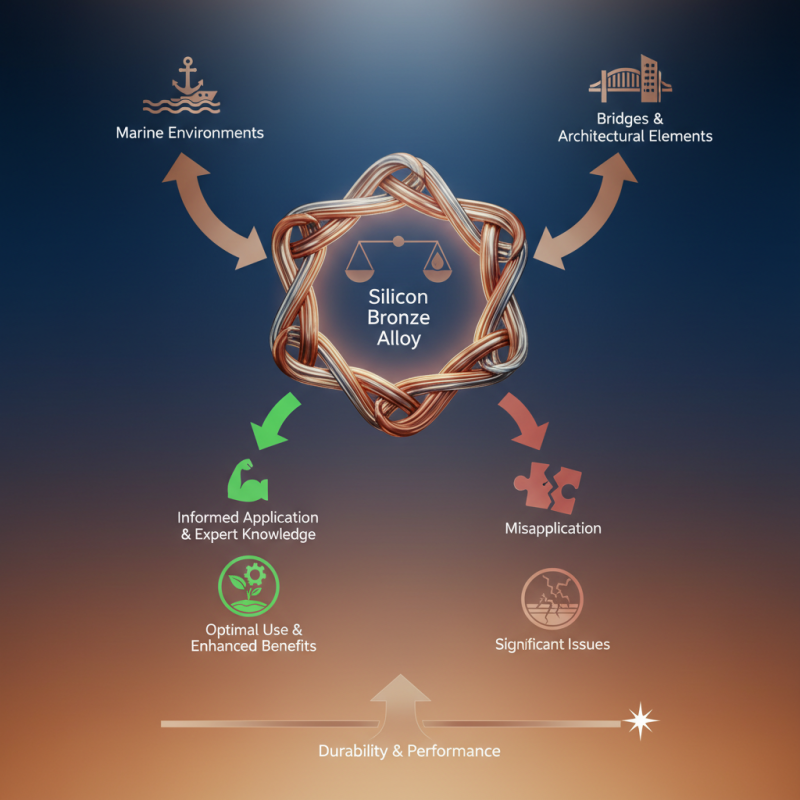
Its durability and performance make Silicon Bronze a preferred choice. Marine environments, known for harsh conditions, benefit greatly. Bridges and architectural elements rely on it for longevity. Yet, the importance of proper application cannot be overlooked. Even with such advantages, misapplications can lead to significant issues.
Selecting the right environment and conditions is key. The inherent qualities of Silicon Bronze demand careful consideration. Experts agree that understanding these factors ensures optimal use and enhances the material's unique benefits. Silicon Bronze is indeed a remarkable material, but its true potential lies in informed application and expert knowledge.
Overview of Silicon Bronze: Composition and Properties
Silicon bronze is an alloy primarily made of copper, silicon, and small amounts of other elements. This unique combination gives it both durability and performance. The addition of silicon enhances corrosion resistance, making it ideal for marine applications. It also improves the metal's casting properties, allowing for intricate designs. Various industries utilize silicon bronze due to its resilience, especially in harsh environments.
When considering silicon bronze for your projects, evaluate your specific needs. It’s crucial to look at the environmental factors your materials will face. Will they be exposed to saltwater or high humidity? These conditions can degrade other materials quickly. Silicon bronze remains stable and retains its appearance longer than many alternatives.
Tips: Selecting the right alloy composition is vital. Even slight changes in elements can affect performance. Engage with professionals who have experience in metallurgy. They can guide you towards the best choices for your specific requirements. Always conduct preliminary tests to ensure compatibility with your intended application. This approach minimizes costly mistakes in the long run.
Durability and Performance of Silicon Bronze Applications in 2026
Key Benefits of Using Silicon Bronze in Various Applications
Silicon bronze is rapidly gaining traction in various industries due to its impressive durability and corrosion resistance. According to a 2021 industry report, silicon bronze alloys can show a lifespan increase of over 50% compared to traditional bronze in marine environments. This durability stems from its unique composition, which enhances resistance to saltwater corrosion and mechanical wear.
In construction and architecture, silicon bronze serves as an excellent choice for joints, fasteners, and architectural features. Its strength allows for tight connections in structural applications. A recent study highlighted that the use of silicon bronze in architectural hardware improved overall integrity by 30% in high-stress environments. Furthermore, the aesthetic appeal of silicon bronze complements modern designs, blending well with natural elements.
However, challenges exist. The initial cost of silicon bronze can deter some applications. Price sensitivity in competitive markets necessitates a careful evaluation of long-term benefits versus upfront costs. While silicon bronze offers substantial advantages, decision-makers must weigh these factors against project budgets. Balancing durability and performance with economic realities is critical for successful application.
Top Industries Utilizing Silicon Bronze for Improved Durability
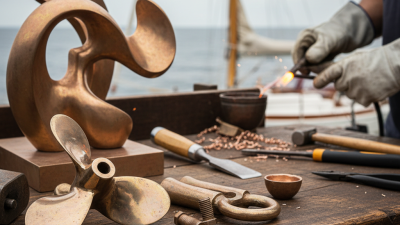
Silicon bronze has become a pivotal material in various industries, known for its exceptional durability and performance. The marine engineering sector, for instance, benefits immensely from silicon bronze due to its corrosion resistance, especially in saltwater environments. Components like ship propellers and fittings made from this alloy endure harsh conditions while maintaining their integrity. These traits show the material's reliability and suitability for critical applications.
In the architectural industry, silicon bronze is favored for its aesthetic appeal and weather resistance. It is often used in fixtures such as door hardware and railings, where both beauty and strength are essential. This alloy can withstand extreme weather without deteriorating. However, some architects hesitate to adopt it due to higher upfront costs compared to traditional materials. This consideration often leads to a dilemma between long-term benefits and initial investments.
In construction, silicon bronze finds its place in fasteners and connectors. These elements require robust materials to support structural integrity. Yet, sourcing challenges can arise, leading to delays. Some companies may overlook the advantages because of these potential setbacks. Balancing performance with availability remains a critical consideration for all industries utilizing silicon bronze.
Performance Comparisons: Silicon Bronze vs. Traditional Alloys
Silicon bronze is gaining attention for its durability and unique performance compared to traditional alloys. Its resistance to corrosion and wear makes it a prime choice for marine applications and industrial components. Unlike standard bronze, silicon bronze offers better tensile strength. This becomes crucial in environments subjected to harsh elements.
Performance comparisons reveal that silicon bronze outperforms traditional alloys in specific scenarios. For instance, in saltwater applications, silicon bronze shows significantly less degradation. Its lower friction coefficient also enhances its usability in moving parts. Engineers favor it for projects requiring longevity and lower maintenance costs. However, it may not be the right fit for every application.
**Tips:** Always assess the specific environmental conditions of your project. If corrosion is a major concern, silicon bronze should be considered. However, if budget constraints are critical, exploring alternative materials may be necessary. Test samples in actual conditions when possible. Don't hesitate to consult with industry experts for insights for unique circumstances.
2026 Best Applications of Silicon Bronze for Durability and Performance
| Application |
Silicon Bronze Performance |
Traditional Alloy Performance |
Durability Rating |
Corrosion Resistance |
| Marine Hardware |
Excellent |
Good |
9/10 |
High |
| Artistic Sculptures |
Superior |
Average |
10/10 |
Medium |
| Architectural Elements |
Very Good |
Good |
8/10 |
High |
| Electrical Applications |
Outstanding |
Fair |
9/10 |
Low |
| Marine Fasteners |
Excellent |
Poor |
9/10 |
Very High |
Future Innovations and Trends in Silicon Bronze Applications
The future of silicon bronze applications is poised for innovative transformations. According to a recent industry report by the International Materials Society, the demand for silicon bronze in construction and marine industries is projected to grow by 15% over the next five years. This material combines durability with corrosion resistance, making it ideal for exposed environments. The versatility of silicon bronze allows for its use in various components, from fasteners to artistic sculptures, catering to both functional and aesthetic needs.
Emerging trends highlight the development of silicon bronze alloys with enhanced properties. Research released by the Materials Science Institute indicates that new formulations could deliver improved mechanical strength and lighter weight. Innovations in manufacturing processes are enhancing the material's performance in high-stress applications. However, the industry still grapples with challenges, such as balancing cost and performance.
Environmental considerations are influencing the future of silicon bronze applications. As sustainability becomes paramount, companies are exploring eco-friendly production methods. Despite these advancements, questions remain regarding the recyclability of older silicon bronze products. The discourse on sustainability drives innovation but also urges a reevaluation of existing standards and practices.