What is the Future of Silicon Steel Supply in China?
The future of Silicon Steel supply in China is a topic of growing importance. As technology advances, the demand for Silicon Steel continues to rise, particularly in the electric vehicle and renewable energy sectors. Industry expert Dr. Li Wei stated, “The adaptability of Silicon Steel is crucial for the energy transition.” His insights underline the essential role of this material in modern applications.
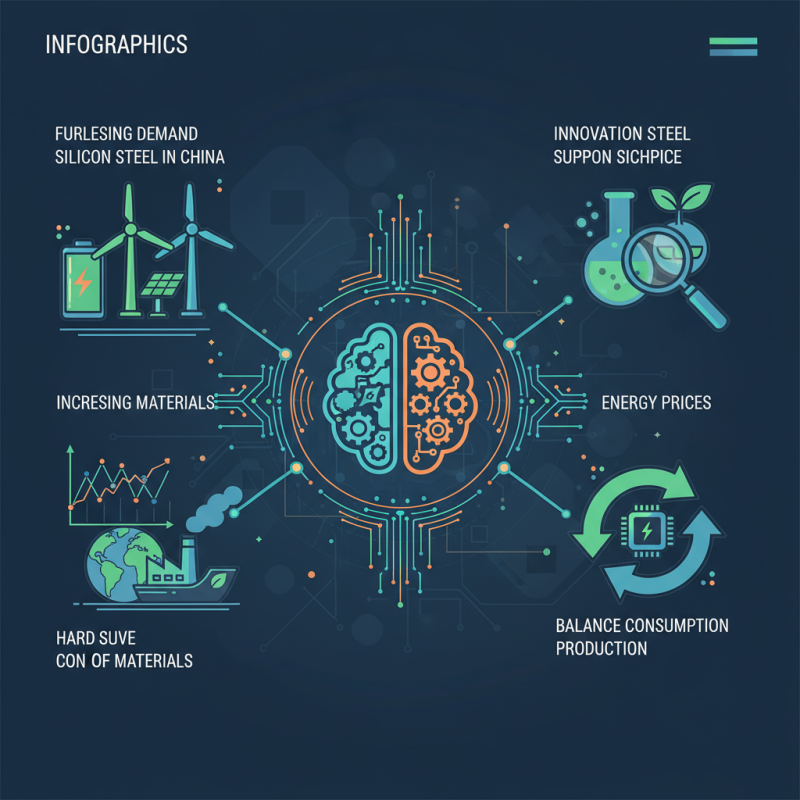
China's Silicon Steel production faces challenges amid global shifts. The country's reliance on imported raw materials and fluctuating energy prices influences manufacturing capabilities. Additionally, environmental regulations could impact supply chains. The balance between consumption and production is vital. Companies must adapt quickly to remain competitive.
As the market evolves, the focus must shift toward innovation and sustainability. While current production methods are effective, new techniques need exploration. Investments in research can drive advancements. The road ahead for Silicon Steel in China is not clear-cut. Stakeholders must navigate complexities with a forward-thinking mindset.
Current State of Silicon Steel Production in China
Silicon steel production in China has undergone significant changes in recent years. As one of the largest producers globally, China's silicon steel industry plays a crucial role in the manufacturing of electrical equipment. Currently, the production capacity is high, but challenges persist. Many factories struggle with outdated technologies, hindering efficiency.
The focus on improving quality is increasing. Manufacturers are investing in better techniques and advanced equipment. However, there is a gap between production quality and international standards. Environmental regulations are tightening, making it harder for some plants to operate fully. This has led to concerns about future supply stability.
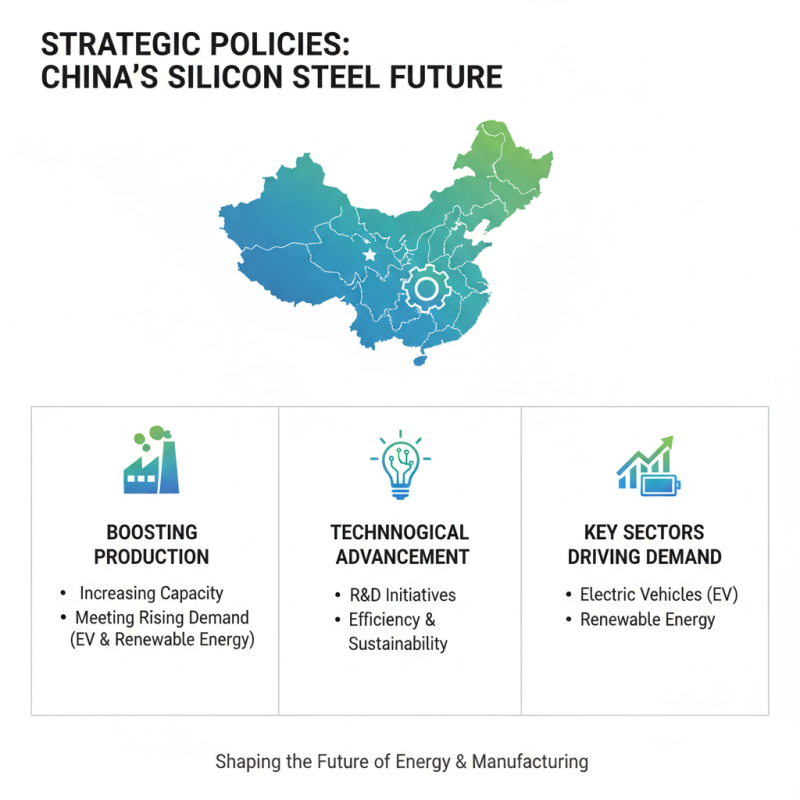
Moreover, demand for silicon steel is expected to grow. Electric vehicles and renewable energy industries are driving this demand. Yet, the industry must navigate issues like resource availability and fluctuating raw material costs. Without addressing these challenges, maintaining a steady supply may become difficult.
What is the Future of Silicon Steel Supply in China?
Key Drivers Influencing Silicon Steel Demand in the Future
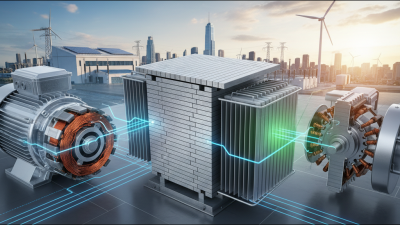
The future of silicon steel supply in China is closely linked to several key drivers. One major factor is the renewable energy sector. As the world shifts towards green energy, the demand for silicon steel is expected to rise notably. This metal is vital for manufacturing transformers and generators used in wind and solar energy systems. Investment in these technologies can create more demand for high-quality silicon steel products.
Another driver is the electric vehicle (EV) market. With rapid growth in EV adoption, manufacturers seek efficient components. Silicon steel plays a critical role in electric motors, which are essential for EV performance. The ongoing push for cleaner transport options will likely boost silicon steel needs. However, challenges remain. Current supply chain disruptions may hinder production. Additionally, the balance between local and international sources of silicon steel requires careful navigation.
Technological advancements will also influence demand dynamics. Innovations in manufacturing processes can enhance the properties of silicon steel. This could lead to increased applications across various industries. Companies must adapt to these changes to remain competitive. It’s essential to monitor these trends to understand potential market fluctuations. Adapting to a changing landscape isn't easy but is crucial for long-term success.
Challenges Facing Silicon Steel Supply Chains in China
The future of silicon steel supply in China faces significant challenges. As the demand for electric vehicles and renewable energy grows, the need for high-quality silicon steel becomes critical. Research from industry analysts indicates that by 2025, the demand for silicon steel could surge by 30%. This creates pressure on supply chains that are already experiencing constraints.
Production challenges are evident. Many Chinese mills struggle with outdated technology. The transition to more efficient production methods often lags. Reports show that nearly 40% of manufacturers are operating below capacity. These issues not only affect output but also the quality of the steel produced. Sourcing quality raw materials is another hurdle. Geographic disparities in mining activities complicate the supply chain.
Tips: Invest in technology upgrades. Companies should prioritize modernizing their facilities to enhance production efficiency. Building strategic partnerships with reliable suppliers can also mitigate risks in sourcing raw materials. Adapting to these challenges will be essential for staying competitive in the evolving market.
Technological Innovations Impacting Silicon Steel Manufacturing
The landscape of silicon steel manufacturing in China is rapidly changing. Innovative technologies are transforming production processes. Automation and artificial intelligence play a crucial role. These advancements increase efficiency and reduce waste in the manufacturing line.
Furthermore, the adoption of advanced materials is pivotal. New alloys and production methods enhance performance, leading to stronger and lighter silicon steel products. This shift addresses modern market demands. However, challenges remain. Implementation costs for these technologies can be high. Smaller manufacturers may struggle to keep pace. This discrepancy raises questions about sustainability and equity within the industry.
Supply chain dynamics also influence silicon steel's future. Global shifts in demand impact local production. Chinese manufacturers must adapt to fluctuating costs and trade policies. Highlighting the need for agility, companies must remain responsive. As innovation continues, the balance between technology, cost, and accessibility needs careful evaluation. The journey ahead is complex, yet full of potential.