Best Silicon Carbide Rods for High Performance Applications?
Silicon Carbide Rods are gaining attention in high-performance applications across various industries. According to a recent market research report by Grand View Research, the Silicon Carbide market is expected to reach USD 5.23 billion by 2027, growing at a compound annual growth rate (CAGR) of 17.6%. This strong growth can be attributed to their unique thermal and mechanical properties, making them ideal for demanding environments.
In industries such as aerospace, automotive, and energy, Silicon Carbide Rods demonstrate superior performance. They can withstand extreme temperatures and high pressures. This reliability often leads to improved efficiency and reduced downtime. However, sourcing high-quality rods remains a challenge. Many options on the market may not meet specific application needs, reflecting a gap in available products.
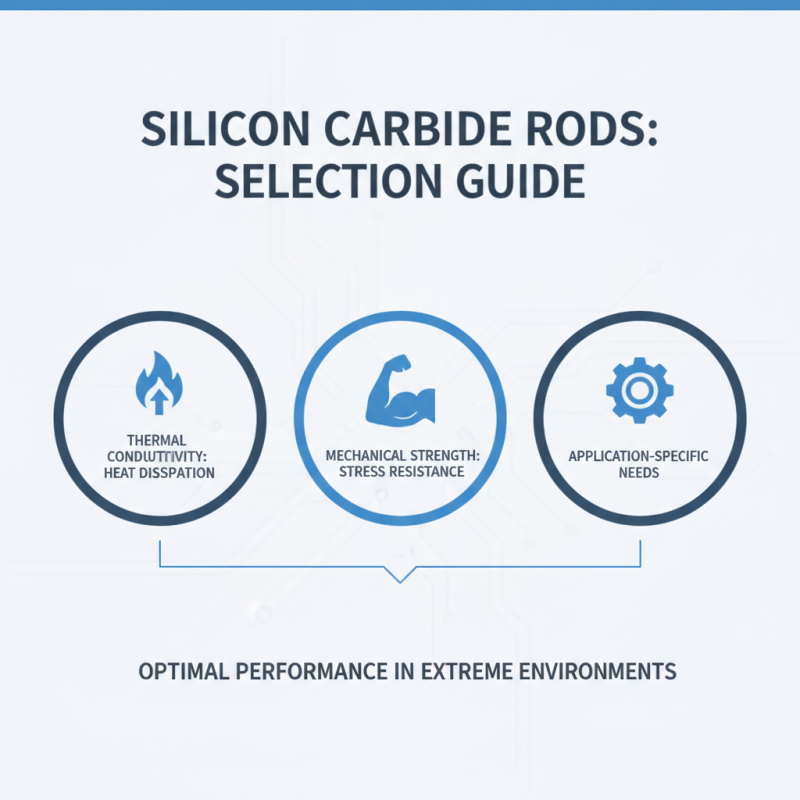
Choosing the best Silicon Carbide Rod involves careful consideration. Factors like thermal conductivity, flexibility, and dimensional accuracy are crucial. Users must also be mindful of their specific requirements. As the market evolves, continuous innovation will shape the development of Silicon Carbide Rods. Keeping track of industry advancements is essential for making informed choices.

Best Silicon Carbide Rods for High-Performance Applications
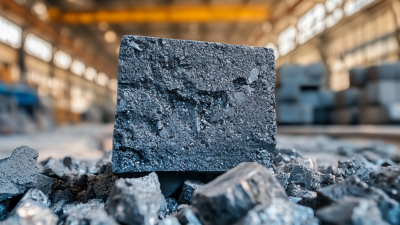
Silicon carbide rods have gained attention in various high-performance applications due to their unique properties. These rods are known for their exceptional thermal stability and impressive electrical conductivity. They excel in environments where temperatures soar and reliability is paramount.
When selecting the right silicon carbide rods, it’s essential to consider factors such as diameter and length. A larger rod often provides better strength but may be heavier. The mechanical strength varies, leading to potential failures in extreme conditions. Testing is crucial; not all silicon carbide rods perform equally in demanding circumstances.
Experts recommend looking into the manufacturing methods. Some rods may be sintered while others are chemically vapor-deposited. Each process offers distinct advantages but also poses unique challenges. The choice can affect durability and overall performance in critical applications. Understanding these nuances can make a significant difference.
Best Silicon Carbide Rods for High-Performance Applications
Understanding the Properties of Silicon Carbide for Industrial Use
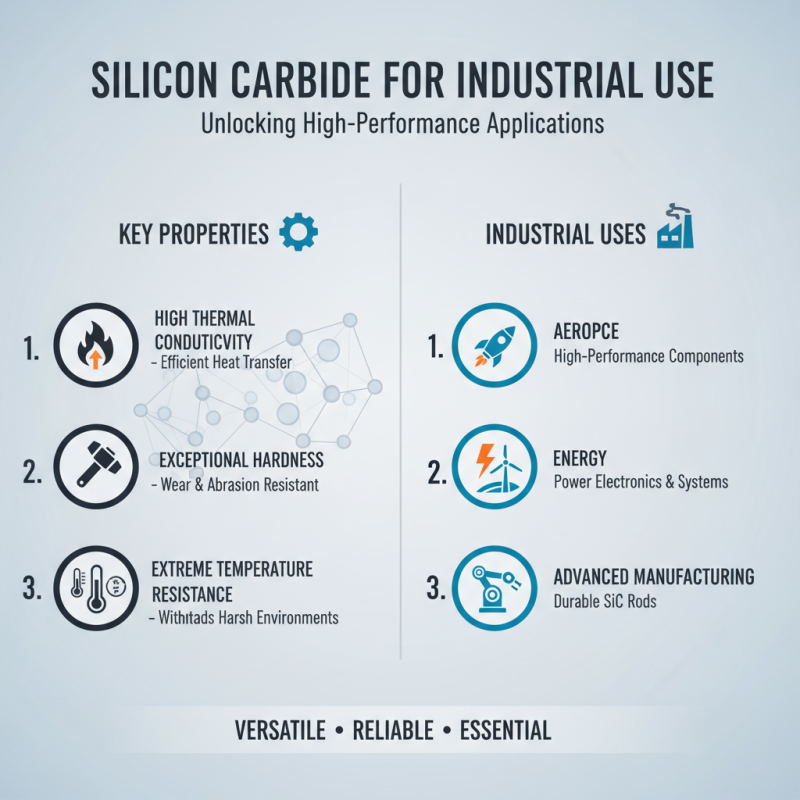
Silicon carbide (SiC) is a versatile material, widely used in high-performance applications. Its unique properties make it suitable for harsh environments. With a high thermal conductivity and exceptional hardness, SiC is essential in industries like aerospace and energy. It can withstand extreme temperatures and resist wear effectively. These characteristics position silicon carbide rods as reliable components in advanced manufacturing setups.
Understanding silicon carbide's properties is crucial. For instance, its ability to maintain structural integrity under stress is notable. This quality enhances the reliability of tools and devices that rely on SiC rods. Additionally, the material's chemical stability is impressive. It does not easily degrade in corrosive environments. However, not all applications may benefit fully from silicon carbide. Cost implications and specific performance needs should always be evaluated.
While silicon carbide offers great benefits, challenges exist. For some processes, fabrication techniques require careful adaptation. Achieving the right balance between performance and cost can be tricky. Industry professionals must consider these factors. Continuous research and development are necessary to optimize silicon carbide for different uses. The exploration of its potential remains a work in progress.
Top Brands and Manufacturers of High-Performance Silicon Carbide Rods
When exploring high-performance silicon carbide rods, several top brands stand out. These manufacturers emphasize reliability and durability in challenging environments. Their rods are engineered for industries like aerospace, automotive, and various electronics. Each brand has its unique features, which cater to specific needs.
Choosing the right silicon carbide rod can be challenging due to the myriad of options.
**Tips:** Consider the temperature resistance and mechanical properties needed for your application. Ensure the rods fit your specific requirements for optimal performance.
Researching the credentials of manufacturers enhances your confidence. Look for reviews and case studies to gauge performance in real situations. Some brands have decades of experience. Trusting those with proven expertise often yields the best results.
**Tips:** Don’t overlook customer support and warranty options. These factors can be crucial if issues arise during usage.
Evaluating the long-term benefits of silicon carbide rods is essential. They may require a higher upfront investment but tend to offer superior longevity and efficiency. The right choice can significantly impact operational costs and performance.
Best Silicon Carbide Rods for High Performance Applications
| Model |
Length (mm) |
Diameter (mm) |
Max Temperature (°C) |
Conductivity (W/mK) |
Applications |
| Model A |
300 |
10 |
1600 |
120 |
Semiconductor Manufacturing |
| Model B |
500 |
12 |
1800 |
150 |
Industrial Heating |
| Model C |
400 |
15 |
1500 |
100 |
Gas Turbine Components |
| Model D |
250 |
8 |
1700 |
110 |
Aerospace Applications |
| Model E |
600 |
14 |
1900 |
160 |
High-Temperature Reactors |
Comparison of Performance Metrics: Silicon Carbide vs. Traditional Materials
Silicon carbide (SiC) is quickly replacing traditional materials in high-performance applications. When comparing performance metrics, SiC stands out in several key areas. Its thermal conductivity is superior, allowing for better heat dissipation. This property enhances the efficiency of devices, especially in power electronics. Furthermore, SiC has a higher breakdown voltage, which improves the reliability of semiconductor devices.
For those working with SiC, understanding its mechanical strength is crucial. It is much stronger than traditional materials like silicon. However, this strength can lead to challenges in machining and processing. Care must be taken to ensure precision during manufacturing. Improper handling can cause defects that undermine overall performance.
Tip: When selecting silicon carbide rods, consider the size and shape needed for your specific application. It’s important to account for potential thermal expansion issues.
Another point to consider is the cost. Silicon carbide can be more expensive than other materials. Evaluate the long-term benefits against the initial investment. Ultimately, the choice between SiC and traditional materials should be based on performance requirements and application needs.
Tip: Conduct thorough testing before full-scale implementation. A small trial can reveal potential challenges and help tailor solutions effectively.