Top 10 Benefits of Silicon Carbide Crucibles for Global Buyers?
In the world of manufacturing and metalworking, the significance of high-quality materials cannot be overstated. Experts agree that the choice of a crucible can greatly impact the results of operations involving molten metals. According to Dr. Emily Chen, a leading authority in materials engineering, "The Silicon Carbide Crucible is unparalleled in terms of durability and thermal conductivity." This statement underscores the importance of understanding the benefits these crucibles can provide to global buyers.
Silicon Carbide Crucibles offer multiple advantages. Their ability to withstand extreme temperatures makes them a go-to choice for industries dealing with metal casting and processing. Additionally, they exhibit excellent corrosion resistance, which enhances their lifespan. Many manufacturers have begun to recognize that investing in these crucibles can lead to improved operational efficiency and cost savings.
However, it's essential for buyers to consider specific needs. Not every application will benefit equally from a Silicon Carbide Crucible. Factors such as thermal shock resistance and compatibility with various materials must be evaluated. Despite a wealth of information available, some misconceptions persist. Analyzing these crucibles' unique properties and limitations is vital for informed decision-making.
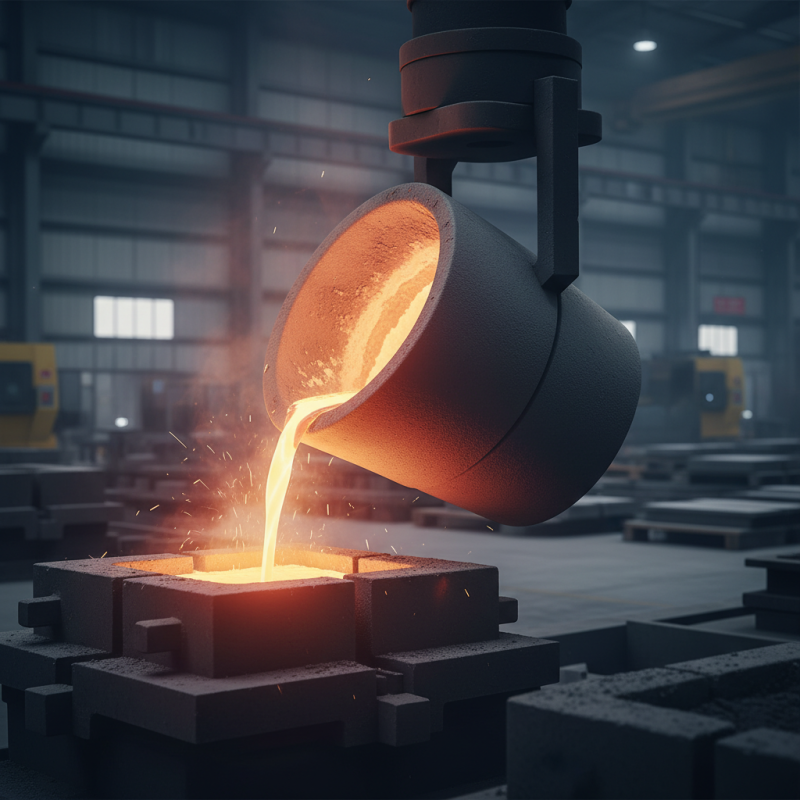
Advantages of Silicon Carbide Crucibles in High-Temperature Applications
Silicon carbide (SiC) crucibles have become essential in various high-temperature applications. Their ability to withstand extreme heat is crucial for industries like metallurgy and ceramics. According to the latest industry report, SiC crucibles maintain structural integrity at temperatures exceeding 1,600°C, making them ideal for melting metals and alloys.
One notable advantage is their low thermal expansion. This property minimizes the risk of thermal shock, enhancing durability. Users often report a longer lifespan compared to conventional materials. The high thermal conductivity of SiC also allows for efficient heat transfer, which is vital in processing metals.
Tip: When selecting crucibles, consider the specific temperature requirements of your application. Matching the crucible to your needs ensures optimal performance.
In high-temperature scenarios, the chemical resistance of SiC is critical. Unlike other materials, it resists oxidation and corrosion, even under harsh conditions. However, potential users should be aware that SiC can be brittle. Proper handling and care are essential to prevent damage.
Tip: Always assess the handling procedures at your facility. Training staff on the right techniques can reduce breakage rates significantly.
Cost Efficiency Compared to Traditional Material Crucibles
Silicon carbide crucibles are gaining attention for their cost efficiency. In comparison, traditional material crucibles often lead to higher operational costs. According to industry reports, silicon carbide crucibles can withstand higher temperatures, up to 1600°C. This resistance reduces the frequency of replacements, leading to significant savings over time.
The initial investment in silicon carbide crucibles may seem high. However, their durability often offsets this expense. A study shows that these crucibles can last up to five times longer than conventional options. This longevity allows for decreased downtime in production processes, directly enhancing profitability.
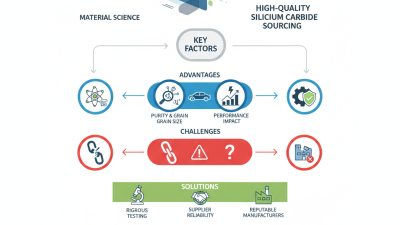
Additionally, silicon carbide’s thermal conductivity improves energy efficiency. This can result in lower fuel costs. While advantages are clear, there are limitations to consider. Sourcing high-quality silicon carbide can sometimes pose challenges. Buyers must ensure they are choosing reputable suppliers to maximize these benefits.
Enhanced Thermal Conductivity: A Key Factor in Metal Melting Processes
Silicon carbide crucibles are increasingly recognized for their enhanced thermal conductivity, which plays a crucial role in metal melting processes. According to a recent report from the Advanced Materials Research Journal, silicon carbide exhibits thermal conductivity values exceeding 120 W/m·K. This property allows for more efficient heat transfer during melting, reducing energy consumption. Improved efficiency is vital for industries aiming to lower operational costs.
The lower thermal expansion coefficient of silicon carbide also contributes to its stability under extreme temperatures. Industry data indicates that this feature helps maintain the structural integrity of crucibles, leading to fewer failures and longer lifespans. However, achieving optimal performance requires careful consideration of melting conditions. Some users have noted that varying metal types can affect the crucible's effectiveness. Thus, understanding the specific requirements for different applications is essential.
Using silicon carbide crucibles can streamline metal melting operations. They enable users to achieve better thermal management and maintain productivity. Despite these advantages, ongoing research is needed to explore potential improvements in performance under different conditions. The balance between efficiency, cost, and durability remains a topic for continuous reflection.
Durability and Longevity of Silicon Carbide in Harsh Manufacturing Environments
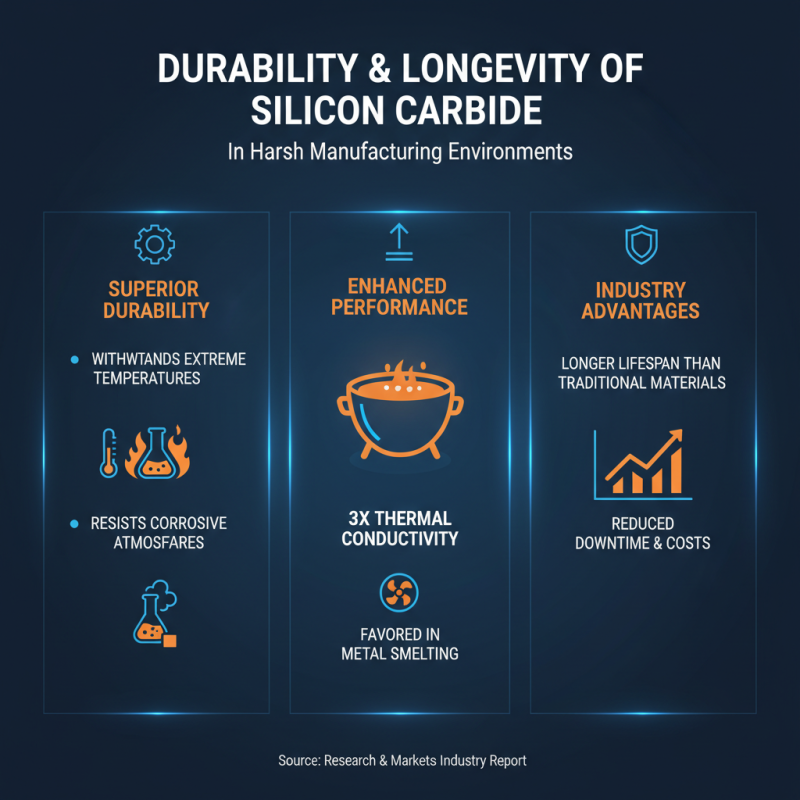
Silicon carbide crucibles are increasingly favored in harsh manufacturing environments due to their superior durability and longevity. Unlike traditional materials, silicon carbide withstands extreme temperatures and corrosive atmospheres. According to a recent industry report by Research and Markets, silicon carbide's thermal conductivity is about three times that of conventional materials, enhancing its performance in metal smelting processes.
In tough conditions, these crucibles reduce the risk of breakage. Their impressive resistance to thermal shock helps prevent catastrophic failures. An article in the Journal of Materials Science highlights that silicon carbide components can last up to three times longer than ceramic alternatives in similar applications. This longevity translates to lower replacement costs and reduced downtimes, crucial for production efficiency.
**Tip:** Always inspect your crucibles regularly for any signs of wear or damage. Proper maintenance extends their lifespan significantly.
Using silicon carbide also provides an eco-friendly advantage. Their ability to handle high temperatures efficiently leads to less energy consumption. This translates into a smaller carbon footprint, which aligns with modern sustainability goals.
**Tip:** Consider implementing a recycling program for worn-out crucibles. This practice not only promotes sustainability but also reduces waste management costs.
Sustainability Benefits of Using Silicon Carbide for Global Buyers
Silicon carbide (SiC) crucibles are gaining popularity for their sustainability benefits. They are made from abundant materials, reducing the environmental impact associated with sourcing. This innovation promotes eco-friendly manufacturing processes. Using SiC crucibles can lead to significant energy savings. They have excellent thermal conductivity, which minimizes energy loss during high-temperature applications.
Tips for buyers: When considering SiC crucibles, assess their thermal efficiency. Look for options that enhance resource conservation. Evaluate suppliers based on their commitment to sustainability. Transparency in sourcing practices is crucial for making informed decisions.
Moreover, SiC crucibles also offer durability. They are resistant to thermal shock and corrosion, which extends their life cycle. This longevity translates to less waste, reinforcing their sustainable appeal. While SiC options are sometimes more expensive upfront, the long-term savings may justify the initial investment.
Consider the production processes as well. Some manufacturers may not fully embrace eco-friendly practices. Ensure that your supplier prioritizes sustainable methods in their operations. Using silicon carbide not only supports a greener environment but also reflects a responsible business ethos.
Top 10 Benefits of Silicon Carbide Crucibles for Global Buyers