Top 10 Green Silicon Carbide Suppliers in China for Global Buyers?
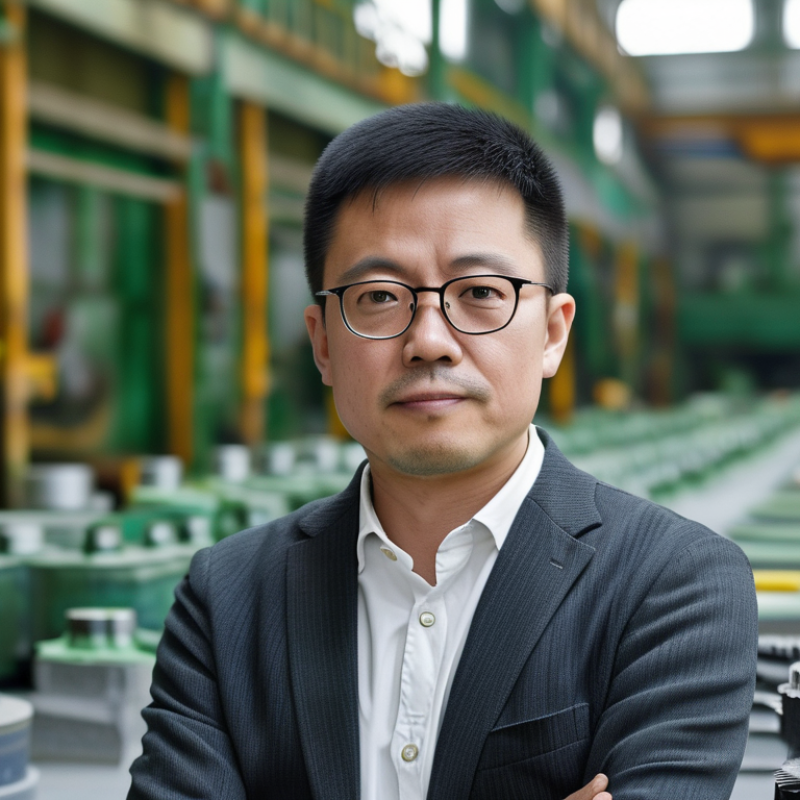
In the rapidly evolving market of Green Silicon Carbide, understanding supplier dynamics is essential for global buyers. Dr. Li Wei, a renowned expert in advanced ceramics and materials science, remarks, "Green Silicon Carbide is the future of eco-friendly abrasives. Its demand is increasing." This statement underscores the importance of sustainability in the industry.
As manufacturers strive to meet high-quality standards, selecting the right suppliers is critical. Green Silicon Carbide has various applications, from electronics to metalworking. Reliable suppliers help maintain product consistency and environmental compliance. However, the sheer number of options can be overwhelming. Some may not meet the required specifications, creating challenges for buyers.
The landscape of Green Silicon Carbide suppliers in China is diverse. A mix of established companies and emerging players offers various products. Yet, not all suppliers deliver the same level of quality. Buyers must carefully evaluate each option. In this quest, insights from industry experts can guide choices, ensuring alignment with sustainability goals.
Overview of Green Silicon Carbide and Its Applications
Green silicon carbide (SiC) has gained widespread popularity due to its unique properties. This compound is made from silicon and carbon, resulting in a material known for its high hardness and thermal conductivity. The global market for green silicon carbide is projected to reach approximately USD 4 billion by 2028, signaling robust demand across various industries.
Many applications utilize green silicon carbide. It is favored in abrasives, ceramics, and electronic components. The semiconductor sector is particularly enthusiastic about SiC. Reports indicate that its use in power electronics could increase by 30% annually. This growth is driven by the rise in renewable energy technologies and electric vehicles. Solar inverters and power converters are seeing significant advancements thanks to SiC's efficiencies.
However, challenges remain in the green silicon carbide supply chain. The production process can be energy-intensive and costly. Environmental regulations are tightening, leading to increased scrutiny of manufacturing methods. Additionally, maintaining consistent quality in production is a continual battle. As the market evolves, addressing these issues will be crucial for suppliers aiming for long-term sustainability.
Key Factors to Consider When Choosing Suppliers
When selecting green silicon carbide suppliers in China, several critical factors come into play. One essential consideration is the supplier's experience in the industry. Companies with a proven track record often deliver higher quality products. Research indicates that suppliers with over ten years of experience tend to have a better grasp of production techniques and quality control processes.
Quality certification is another pivotal factor. Many buyers look for ISO 9001 or similar certifications, as these demonstrate a commitment to quality standards. A report from the China Silicon Carbide Industry Association highlights that only 30% of manufacturers in the sector meet these benchmarks. This statistic underscores the importance of careful supplier selection.
Additionally, it's vital to assess the supplier's production capacity and technological advancements. Suppliers with state-of-the-art facilities are more likely to produce consistent quality. However, capacity can vary significantly. Some suppliers may struggle to meet large-scale demands, leading to potential supply chain disruptions. Evaluating these aspects helps ensure a reliable partnership.
Top 10 Green Silicon Carbide Suppliers in China for Global Buyers
| Rank |
Supplier Type |
Annual Production Capacity (tons) |
Main Products |
Certification |
Export Experience (Years) |
| 1 |
Manufacturer |
3000 |
Silicon Carbide Powder |
ISO 9001 |
10 |
| 2 |
Supplier |
2500 |
Green Silicon Carbide Grains |
SGS Certified |
8 |
| 3 |
Distributor |
1500 |
Silicon Carbide Abrasives |
CE Certified |
5 |
| 4 |
Manufacturer |
2000 |
Silicon Carbide Wafer |
ISO 14001 |
6 |
| 5 |
Supplier |
1800 |
Silicon Carbide Bushing |
RoHS Compliant |
7 |
| 6 |
Distributor |
1200 |
Silicon Carbide Tiles |
ISO 9001 |
4 |
| 7 |
Manufacturer |
1600 |
Silicon Carbide Jigs |
SGS Certified |
9 |
| 8 |
Supplier |
1400 |
Silicon Carbide Sand |
CE Certified |
3 |
| 9 |
Distributor |
1100 |
Custom Silicon Carbide Products |
RoHS Compliant |
4 |
| 10 |
Manufacturer |
1300 |
Silicon Carbide Blades |
ISO 14001 |
5 |
Top Characteristics of Leading Green Silicon Carbide Suppliers
When evaluating green silicon carbide suppliers in China, several characteristics set the leaders apart. Quality assurance is paramount. According to a report by Grand View Research, the global silicon carbide market is projected to reach $5.2 billion by 2027, emphasizing the need for high-quality materials. Suppliers must adhere to rigorous quality standards to meet the demands of various industries, including electronics and automotive.
Transparency in sourcing and production is another key characteristic. Suppliers who provide detailed information about their raw materials and manufacturing processes build trust with global buyers. The market analysis by Market Research Future indicates that sustainable practices are increasingly influencing buyer choices. Sustainable practices reflect a supplier's commitment to responsible production and environmental stewardship.
Furthermore, innovation plays a crucial role in supplier selection. Companies that invest in research and development often stay ahead of the competition. A report from Mordor Intelligence notes that advancements in silicon carbide technologies could enhance efficiency in high-temperature applications. Buyers should consider suppliers' efforts in integrating the latest technologies to improve overall performance.
Detailed Profiles of the Ten Best Green Silicon Carbide Suppliers in China
When sourcing green silicon carbide, selecting the right supplier is crucial. China stands as a major hub for these materials, offering numerous options for global buyers. Understanding each supplier's strengths and weaknesses is vital to making an informed decision.
Potential buyers should examine the production capacity of these suppliers. Some businesses may have high output levels but lack flexibility in manufacturing. Others may provide customized solutions with slower production rates. It's essential to find a balance between quantity and quality.
Tip: Consider visiting suppliers personally or virtually. This can provide insights into their operations and product quality.
Sustainability practices are another factor to weigh. Some suppliers prioritize eco-friendly methods, while others neglect environmental responsibilities. A deeper look into their practices might reveal gaps that raise concerns.
Tip: Look for certifications. Valid certifications can indicate a commitment to quality and sustainability. Engaging with suppliers who have strong transparency can also build trust.
Industry Trends and Future Outlook for Green Silicon Carbide Supply Chain
The green silicon carbide supply chain is evolving rapidly. Recent data from industry reports indicate that global demand for green silicon carbide is projected to grow at a compound annual growth rate (CAGR) of 10.5% over the next five years. This growth is driven by the increasing applications of silicon carbide in sectors like automotive and electronics.
As major players in China ramp up production, challenges remain. Fluctuations in raw material costs can lead to supply chain instability. In addition, environmental regulations are becoming stricter. Suppliers must adapt to these changes while maintaining product quality. Companies that fail to innovate might struggle to keep pace with market demands.
The future of green silicon carbide depends on sustainability efforts. The need for eco-friendly production methods is more pressing than ever. Reports suggest that suppliers focusing on green technologies may gain a competitive edge. Yet, achieving this balance between growth and sustainability is complex. As the industry matures, it will require continuous investment and innovation.