China Top 10 Green Silicon Carbide Suppliers You Need to Know?
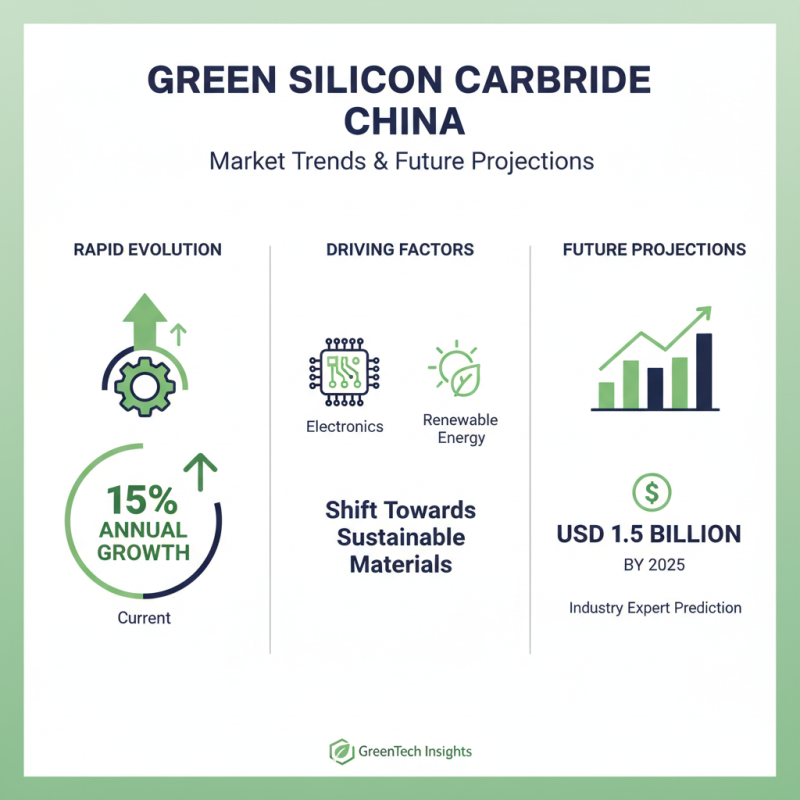
The demand for Green Silicon Carbide (SiC) is on the rise as industries shift towards sustainable materials. According to a recent report by ResearchAndMarkets, the global market for Green Silicon Carbide is expected to grow at a CAGR of 22% from 2021 to 2026. This growth is fueled by its application in electric vehicles, solar panels, and semiconductor devices.
China plays a pivotal role in the SiC supply chain. As a leading producer, the country contributes significantly to global output. The Chinese government supports green technologies, which boosts the production of Green Silicon Carbide. However, the industry faces challenges such as quality consistency and environmental regulations. Despite these hurdles, companies are innovating to enhance their processes and products.
Understanding the top suppliers of Green Silicon Carbide in China is crucial for stakeholders. These suppliers exhibit diverse capabilities and methodologies. By examining their performance and practices, businesses can make informed decisions, ensuring sustainability aligns with profitability in their operations.

Overview of China's Green Silicon Carbide Market Landscape
China's green silicon carbide market has been gaining traction in recent years. This surge is largely driven by the global shift towards sustainable manufacturing. Companies prioritize eco-friendly materials, making green silicon carbide a sought-after option. The production process is less harmful to the environment, attracting both investors and manufacturers.
The landscape of suppliers in China is diverse. Many companies focus on production efficiency and sustainability. However, there are challenges. Some suppliers struggle with quality consistency and scalability. Others may not comply fully with environmental regulations. These issues raise questions about the reliability of these suppliers in the long term.
Despite these concerns, innovation continues to shape the market. Research and development play a crucial role in improving production methods. New technologies emerge to enhance purity levels and reduce manufacturing waste. This dynamic environment indicates that while there are flaws, the direction of China’s green silicon carbide industry remains promising.
Key Criteria for Selecting Top Green Silicon Carbide Suppliers in China
When selecting top green silicon carbide suppliers in China, consider several key criteria. Evaluate their experience in manufacturing high-quality materials. Look for companies with a proven track record in the industry. Their expertise ensures they understand the complexities of silicon carbide production. This knowledge reflects their reliability as suppliers.
Another important factor is sustainability. Check if the suppliers utilize eco-friendly practices. This not only aligns with environmental goals but also indicates their commitment to innovation. Transparency in their processes is crucial. A reliable supplier openly shares information about sourcing and production methods.
Tips: Review customer feedback. This gives insight into their reliability and service quality. Engage with potential suppliers to gauge their responsiveness. Lastly, visit their facilities if possible. Seeing their operations firsthand can reveal much about their standards.
China Top 10 Green Silicon Carbide Suppliers You Need to Know
| Supplier Location |
Production Capacity (tons/year) |
Certification |
Export Markets |
Year Established |
| Shandong |
50,000 |
ISO 9001, RoHS |
USA, Europe, Asia |
2005 |
| Henan |
30,000 |
ISO 14001 |
Europe, Southeast Asia |
2010 |
| Jiangsu |
70,000 |
ISO 9001 |
North America, Africa |
2008 |
| Fujian |
25,000 |
RoHS |
South America, Asia |
2015 |
| Guangdong |
40,000 |
ISO 9001, CE |
Europe, Australia |
2012 |
| Zhejiang |
55,000 |
ISO 9001, RoHS |
Asia, Middle East |
2009 |
| Liaoning |
35,000 |
ISO 14001 |
North America, Europe |
2014 |
| Shanxi |
20,000 |
ISO 9001 |
Asia, Europe |
2017 |
| Hunan |
60,000 |
ISO 14001, CE |
Australia, Africa |
2011 |
| Tianjin |
45,000 |
ISO 9001 |
Europe, North America |
2006 |
Profiles of the Leading Green Silicon Carbide Producers in China
China's green silicon carbide market has grown remarkably. Several key producers are leading this charge. They focus on sustainability and high-quality materials. These companies use advanced manufacturing techniques. Their commitment to eco-friendly practices is evident in their operations. They contribute to a greener future in the semiconductor industry.
Many producers are invested in research and development. They seek to enhance product efficiency and performance. However, maintaining consistent quality can be challenging. Some firms face scrutiny over production processes. Transparency is crucial for building trust with buyers. Many companies are actively addressing these concerns.
The competition is fierce among manufacturers. Each one aims to establish a strong market presence. Some companies excel in innovation, while others focus on price competitiveness. Buyers must carefully evaluate suppliers based on reliability and sustainability. Their choices can significantly impact their own environmental goals. The landscape is ever-evolving, requiring constant adaptation.
Environmental Impact and Sustainability Practices of Chinese Suppliers
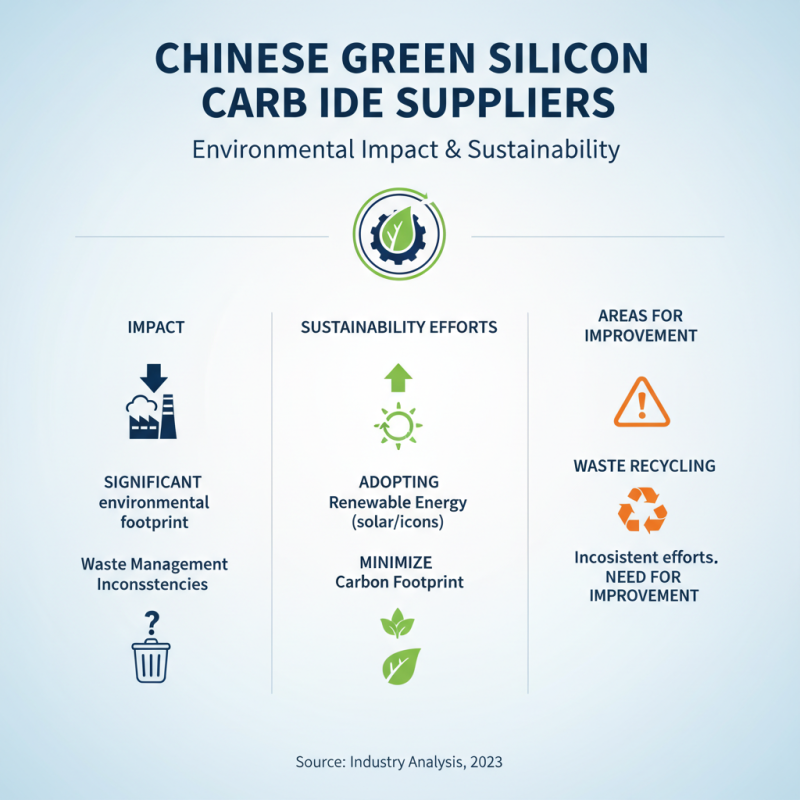
The environmental impact of green silicon carbide suppliers in China is significant. Many companies are adopting sustainable practices to minimize their carbon footprint. This includes using renewable energy sources during production. However, there are still issues with waste management in some factories. Efforts to recycle materials are inconsistent, highlighting the need for improvement.
Sustainability practices can vary widely among suppliers. Some have implemented strict regulations to reduce harmful emissions. Others, however, fall short of international standards. Transparency in sourcing raw materials is crucial yet often lacking. Companies should strive to provide more information on their environmental policies to build trust with clients.
The quest for greener production methods continues. Suppliers must confront the challenges of balancing cost and sustainability. The industry has made strides, yet the journey is far from complete. Stakeholders need to engage in dialogue about best practices. This collaborative approach could drive innovation and enhance environmental responsibility in the sector.