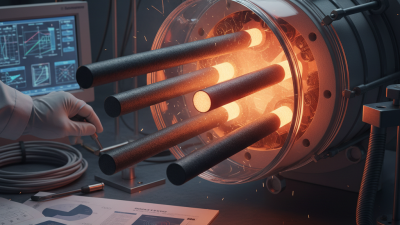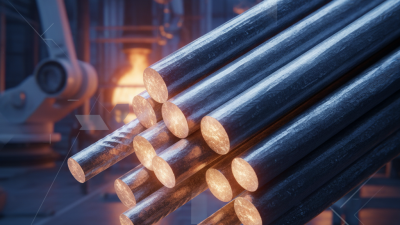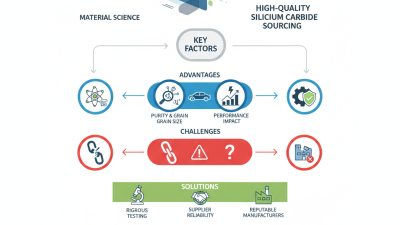
Choosing the right Silicon Carbide Crucible can significantly impact your industrial processes. According to a report from the Global Ceramic Materials Association, Silicon Carbide Crucibles improve thermal conductivity and reduce contamination risks. This makes them ideal for applications in high-performance environments. Industry expert Dr. Emily Zhang states, "Selecting the right crucible is critical for efficiency and quality in material processing."
It's essential to recognize the varied applications of Silicon Carbide Crucibles. They are widely used in industries such as metallurgy and semiconductor manufacturing. Yet, not all crucibles are created equal. Factors like size, shape, and thermal shock resistance play crucial roles in their effectiveness. Failing to consider these factors may lead to costly errors.
The right choice can enhance productivity. However, many overlook the importance of material compatibility. Dr. Zhang emphasizes the need for a tailored approach to your selection. Personal experience shows that even minor oversights can lead to significant inefficiencies. This highlights the need for informed decision-making in choosing Silicon Carbide Crucibles.
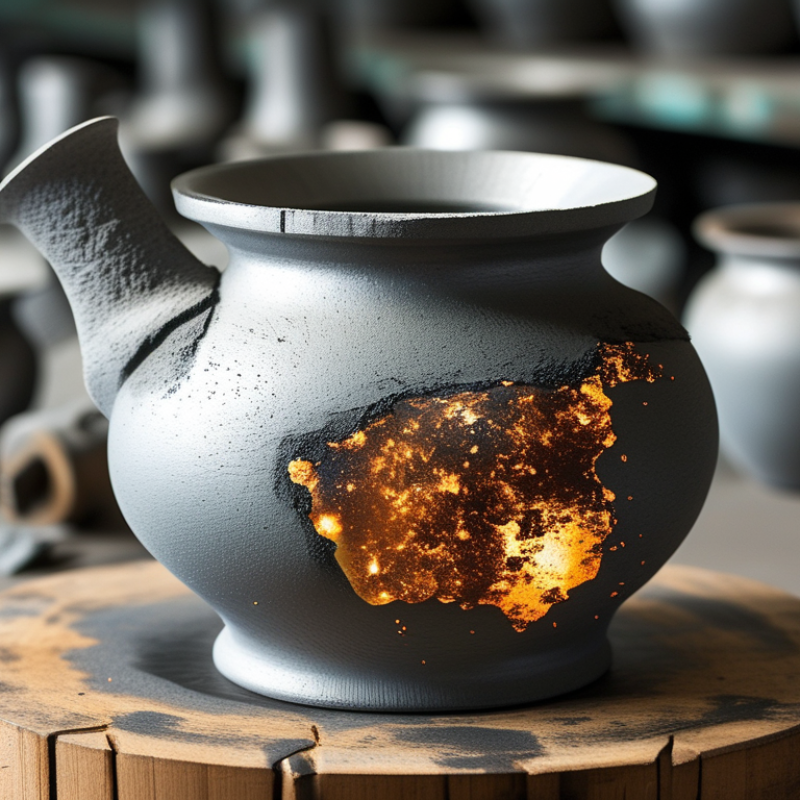
When selecting silicon carbide crucibles, understanding their unique properties is essential. Silicon carbide (SiC) is known for its high thermal conductivity and outstanding thermal shock resistance. These characteristics make SiC crucibles suitable for applications involving high temperatures. However, not every application will benefit equally from these properties. Assessing the specific needs of your process is critical.
Another significant factor is the purity of the silicon carbide material. Higher purity levels can enhance performance but may also increase costs. It’s crucial to balance cost and performance according to the requirements of your project. Durability is another aspect to consider. SiC crucibles can resist oxidation and wear over time, yet they might still be prone to cracking under extreme conditions. Regular inspections can help identify wear and prolong the crucible’s life.
Understanding the composition of your melt can also guide your choice. Some materials can react negatively with SiC. Testing with small batches can provide valuable insights before scaling up. A deeper analysis of your specific application will lead to a more informed decision, ensuring that the crucibles meet both performance and reliability standards.

When selecting silicon carbide crucibles, evaluating temperature resistance is crucial. Temperature resistance directly impacts the crucible’s performance in high-heat applications. Look for materials that can withstand extreme temperatures without compromising structural integrity. Crucibles often endure rapid temperature shifts, making thermal shock resistance equally important. Choosing a crucible that handles these stresses effectively will enhance overall reliability.
Key performance indicators include thermal conductivity and melting point. Higher thermal conductivity allows for even heating, minimizing hotspots that can damage the crucible. It’s essential to consider the melting point of the material as well. A crucible that shows signs of degradation at lower temperatures may not be suitable for specific applications. A little research into the material composition ensures compatibility with your needs.
Some users overlook the importance of testing crucibles under real conditions. This can lead to unexpected failures during critical processes. Documenting performance metrics and failures can guide future selections. Always seek detailed specifications and consult with experienced users before making a decision. This approach strengthens your understanding and builds confidence in your choice.
When selecting silicon carbide crucibles, one crucial aspect is assessing their chemical compatibility. Silicon carbide is resistant to many chemicals, but it’s vital to ensure that it can withstand the specific materials you plan to use. Start by identifying the substances that will come into contact with the crucible. Understanding these interactions will help prevent potential degradation or unwanted reactions.
Pay attention to temperature limits. High temperatures may lead to unexpected reactions, altering the crucible's performance. Regular testing and monitoring can help maintain efficacy over time. It’s wise to consult compatibility charts or academic resources for in-depth analysis.
Consider the application environment too. Different settings may impose unique challenges. For example, corrosive environments can affect long-term durability. Choosing the right crucible involves careful thought about both immediate needs and long-term implications. Always remember that even reputable materials require checks and balances. Evaluate their reliability continuously to ensure safe and effective usage in your processes.
When it comes to industrial applications, the choice of crucibles is crucial. Silicon carbide (SiC) crucibles stand out for their durability and thermal conductivity. However, it's important to compare their cost-effectiveness with other materials like alumina and graphite. SiC crucibles may have a higher upfront cost, but their longevity can lead to lower replacement rates over time. This can significantly reduce overall expenses.
Evaluating the thermal performance is vital. Silicon carbide can withstand extreme temperatures without degradation. Other materials may fail under similar conditions, resulting in costly downtime. Pay attention to the specific melting points required for your process. An increase in efficiency can also be achieved with SiC due to its superior heat retention properties.
When choosing a crucible, consider your exact needs. Assess the thermal shock resistance and compatibility with your materials. Ensure the dimensions match your furnace specifications. Investing in quality can save money long-term. If you’re unsure, consult with experts. They can provide valuable insights based on experience. Testing small batches before a large commitment can also be beneficial. This way, you can evaluate performance without a significant financial burden.
Choosing a reliable manufacturer for silicon carbide crucibles is crucial. Industry standards provide a guideline for selection. Look for manufacturers that comply with ISO certifications. These certifications demonstrate a commitment to quality and safety. It ensures that materials used are tested and meet performance criteria. A factory's adherence to these standards reflects its credibility.
Experience counts in this industry. Manufacturers with years of expertise often have better processes in place. They understand the nuances of silicon carbide and its applications. Review their history of successful projects. Sometimes, newer companies lack the same level of knowledge. This can pose risks in quality and consistency.
Research is essential. Consider customer reviews and feedback. Engaging with previous clients can build trust. Understand the challenges they faced with the manufacturer. If any reports indicate recurring issues, reflect on those aspects. It’s beneficial to examine the range of products offered. A broader selection might indicate a more adaptable manufacturer.