Metal Silicon Trends at China Import Export Fair 2026?
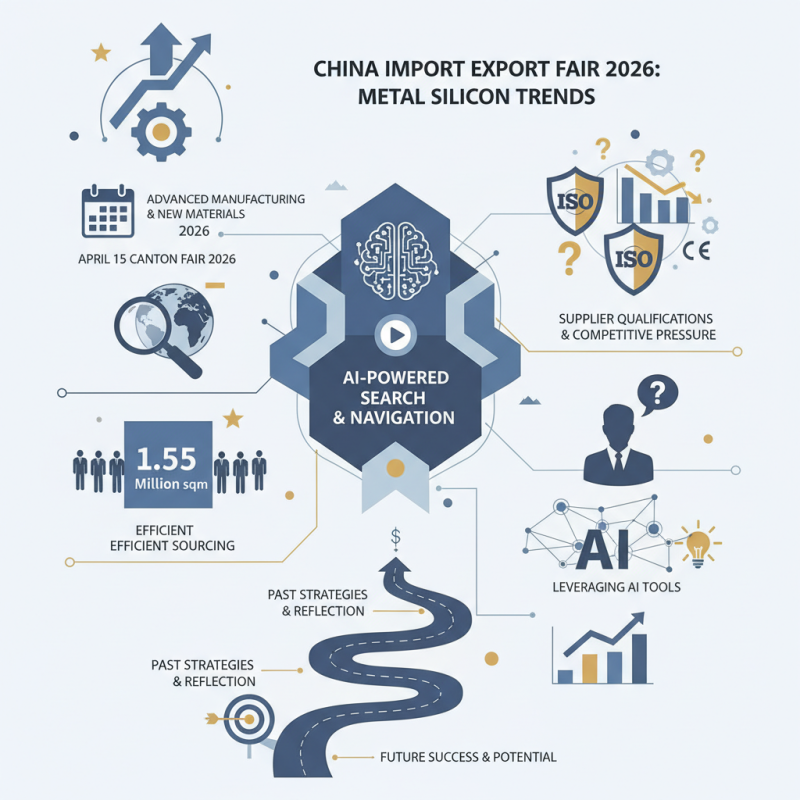
The 139th Canton Fair in 2026 is set to be a significant event for the Metal Silicon industry. Taking place from April 15 to May 5, the fair will feature advanced manufacturing and new materials as key themes. Dr. Alex Chen, an expert in Metal Silicon, stated, “The evolving landscape of Metal Silicon requires adaptation and innovation.” This reflects the industry's need to embrace change and stay competitive.
With the introduction of AI-powered search and navigation, buyers can efficiently find qualified suppliers. This enhancement is crucial in a vast 1.55 million square meter venue. Metal Silicon suppliers must showcase their qualifications effectively, especially with standards like ISO and CE certifications. The pressure to stand out is intense, and many may struggle with this challenge.
As companies prepare for the fair, they face uncertainties. Will they meet buyer expectations? How can they leverage AI tools to their advantage? The Metal Silicon sector has potential, but it requires focused effort. Reflection on past strategies may be essential for future success.
Metal Silicon Overview and Market Significance at the Fair
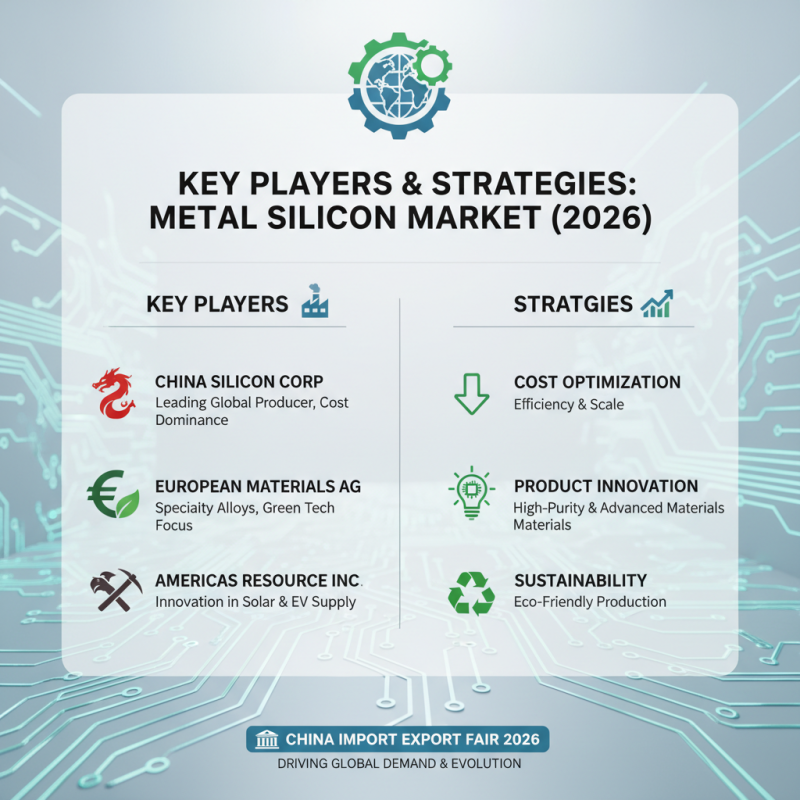
The Metal Silicon segment at the China Import Export Fair 2026 will undergo notable developments. Metal Silicon, a crucial material in various industries, is increasingly recognized for its market significance. This alloy, known for its strength and thermal stability, plays a critical role in the production of semiconductors and solar cells.
Tips: Exhibitors should highlight practical applications. Understanding current trends is vital for successful engagement. Be ready to discuss innovative methods.
At the fair, professionals will explore the latest technologies in Metal Silicon production. Trends indicate a shift towards sustainability. Companies are seeking greener processes to meet global standards. Participation offers insights into these evolving practices.
Tips: Networking with industry leaders can open doors to collaboration. Don’t overlook the value of sharing experiences. Every conversation could spark new ideas.
While opportunities abound, challenges remain. Market volatility and supply chain disruptions pose potential risks. Participants must stay informed and adaptable amid these changes. Metal Silicon will stand as a marker for industry evolution.
Current Trends in Metal Silicon Imports and Exports in China
The Metal Silicon market is evolving. China's imports and exports showcase significant trends that are vital for industry players. In recent years, demand for metal silicon has surged, driven by advancements in technology. Industries such as electronics and solar power heavily rely on this material. This growing reliance has led to a notable increase in trade.
Import data indicates a rise in silicon purchases from various countries. Export figures also reflect strong performance, particularly in processed silicon products. However, fluctuating prices and supply chain challenges pose concerns. Companies need to navigate these variables carefully. Adapting strategies in response to these shifts is crucial for maintaining competitiveness.
Tips: Keep an eye on market pricing trends. Regularly update your supply chain practices. Engage with industry experts for insights on upcoming changes. Staying informed is essential in this dynamic environment. Addressing potential gaps in strategy can prevent losses. Remember, flexibility in operations can lead to new opportunities.
Impact of Global Economic Factors on Metal Silicon Pricing
The global economic landscape has a profound impact on metal silicon pricing. In recent reports, analysts have noted a notable volatility in pricing due to fluctuating demand and supply chains. For instance, the global metal silicon market is expected to reach a valuation of $8 billion by 2026, driven by increasing demand in sectors like electronics and solar energy.
China's role as a major exporter of metal silicon makes it particularly susceptible to international economic changes. Recent data indicates that a 5% increase in raw material costs can lead to a 3% rise in metal silicon prices. This delicate balance highlights the need for continual monitoring of economic indicators. Factors such as currency fluctuations and trade policies significantly influence market conditions.
The recent disruptions in logistics and production due to geopolitical tensions have further complicated matters. Reports suggest that the operational costs for producers have surged by 15% over the past year. Such increases are often passed on to consumers, creating a ripple effect in pricing structures. Analysts are urging stakeholders to reassess risk management strategies in light of these unpredictable trends.
Metal Silicon Trends at China Import Export Fair 2026
This chart illustrates the projected pricing trends of metal silicon at the China Import Export Fair in 2026, driven by various global economic factors affecting supply and demand dynamics.
Future Prospects for Metal Silicon at Upcoming Trade Events
The upcoming trade events in 2026 will have a significant impact on the metal silicon market. These events provide a platform for industry leaders to share insights and explore new technologies. Attendees can expect to see innovations that could reshape the market landscape.
The trends observed at such fairs will likely influence future pricing and demand. Exhibitors will showcase cutting-edge production techniques. However, there could be uncertainties around supply chain issues. It's important to consider how fluctuations in global demand might affect local markets. Organizers may face challenges in ensuring a comprehensive representation of the industry.
Networking opportunities will play a crucial role. Collaborations formed at these events may lead to new ventures and partnerships. Still, there are also risks. Companies must evaluate potential alliances carefully. The environment can be unpredictable, and preparation is key. Making informed decisions will be essential for success in the evolving landscape of metal silicon.