How to Choose the Right Ferro Silicon Alloy for Your Needs?
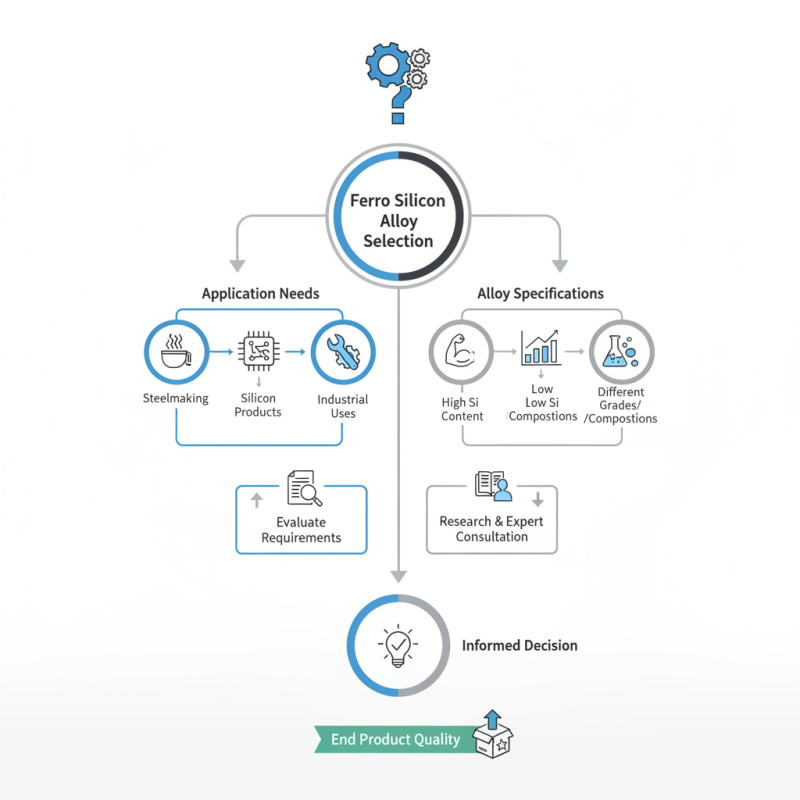
Choosing the right Ferro Silicon Alloy can be challenging. This alloy is crucial in various industrial applications, from steelmaking to manufacturing silicon-based products. Understanding your specific needs is key to making an informed decision.
Ferro Silicon Alloys come in different grades and compositions. Each type serves specific purposes. For instance, a higher silicon content can enhance alloy strength, while lower silicon levels provide better deoxidation properties. Evaluate your requirements closely.
Research and expert consultation can help clarify your options. Seek reliable sources and detailed technical data. Remember, the right choice can greatly influence your end product's quality. Don’t overlook the significance of proper selection. It requires thoughtful consideration and a clear understanding of both your application and alloy specifications.
Understanding Ferro Silicon Alloys and Their Applications
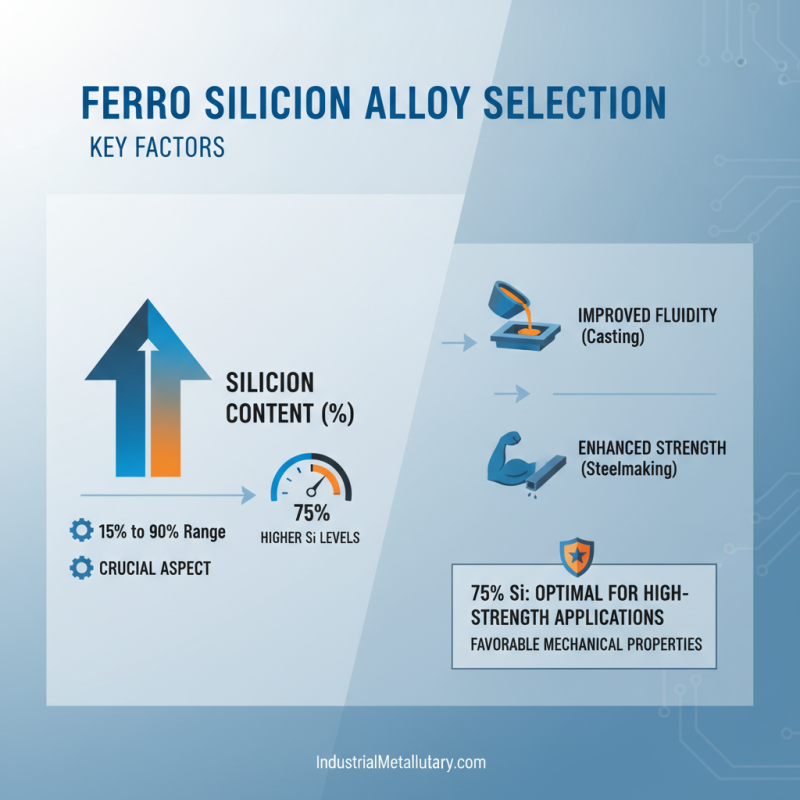
Ferro silicon alloys are vital in metallurgy and various industrial applications. These alloys contain iron and silicon, making them essential for steel production and casting. The silicon content typically ranges from 15% to 90%, affecting their performance and suitability for specific uses. According to a recent industry report, the global ferro silicon market was valued at approximately $11 billion in 2022 and is projected to grow steadily over the next few years.
The applications of ferro silicon alloys are diverse. In steelmaking, ferro silicon improves fluidity and reduces the formation of oxides. Additionally, they play a critical role in producing silicon steel, which is essential for electrical applications. Specific grades are preferred for casting applications due to their deoxidizing properties. With varying grades available, choosing the right alloy can be crucial for performance and cost-effectiveness. Some manufacturers report challenges in selecting the appropriate ferro silicon alloy to meet precise specifications. This selection process requires a balance between composition and intended use.
In critical applications like foundries, ferro silicon's quality can impact the mechanical properties of cast products. Variations in silicon levels can lead to inconsistencies. Professionals emphasize the need for reliable suppliers to ensure the purity and consistency of alloys. Monitoring and testing are necessary, as they can mitigate risks related to material performance. Clear communication with suppliers about technical requirements is essential for optimal outcomes, especially when quality affects safety and productivity.
How to Choose the Right Ferro Silicon Alloy for Your Needs? - Understanding Ferro Silicon Alloys and Their Applications
| Alloy Type |
Silicon Content (%) |
Iron Content (%) |
Carbon Content (%) |
Application |
| Ferro Silicon 75 |
75 |
20 |
<1 |
Steel manufacturing, alloy production |
| Ferro Silicon 65 |
65 |
25 |
<1 |
Cast iron production, deoxidizer |
| Ferro Silicon 90 |
90 |
10 |
<0.5 |
High carbon steel, welding rods |
| Ferro Silicon Magnesium |
<30 |
50 |
<1 |
Ductile iron casting |
| Ferro Silicon Calcium |
15-25 |
<30 |
<1 |
Deoxidizing agent, steel production |
Analyzing the Specifications of Different Ferro Silicon Grades
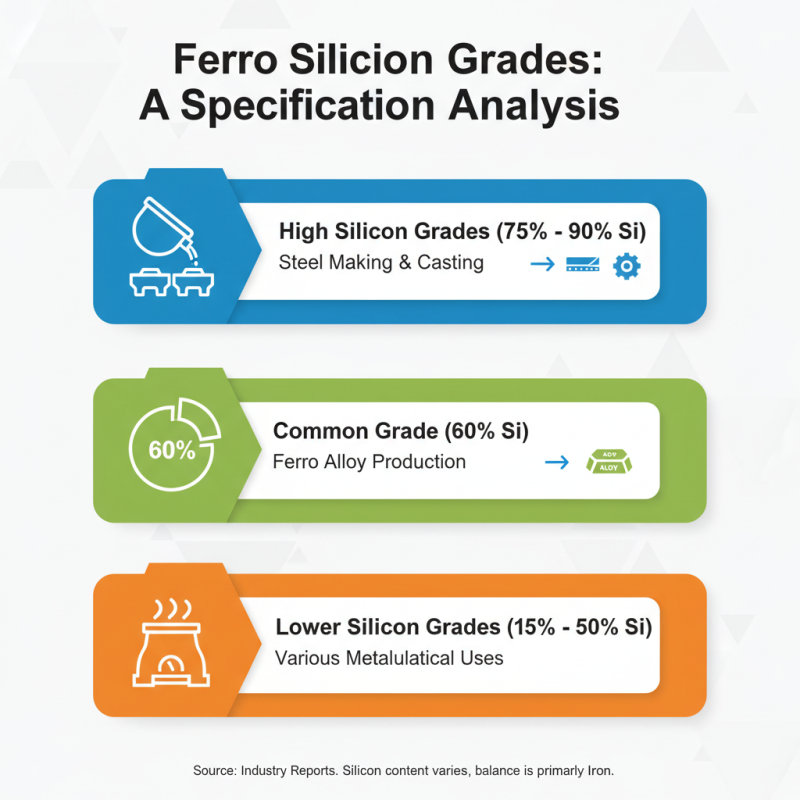
When selecting a ferro silicon alloy, understanding the specifications of different grades is crucial. Ferro silicon typically contains 15% to 90% silicon, with varying iron content. Higher silicon grades, like 75% and above, are often used in steel making and casting. Reports indicate that a silicon concentration of 60% is most commonly utilized in the production of ferro alloys.
The alloy's grade impacts the deoxidation and alloying process in steel. For instance, a lower grade may suffice for certain cast irons, while higher grades yield better results in corrosion resistance and fluidity in molten metal. Industry data show that ferro silicon with 70% silicon enhances the quality of steel and increases machinability. However, too high a silicon content can lead to brittleness in finished products.
It is important to note that using the wrong alloy grade can compromise quality. Some manufacturers may provide inaccurate specifications, leading to poor performance. Selecting the appropriate grade requires thorough analysis of application needs and may demand expert consultation. Balancing cost with performance is also critical, as not all high-grade ferro silicon is economically viable for every application. Determining the right alloy is a nuanced process, emphasizing the importance of careful evaluation.
Evaluating the Quality and Purity of Ferro Silicon Products
Evaluating the quality and purity of ferro silicon products is crucial for industries ranging from steel manufacturing to foundry applications. The purity levels of ferro silicon alloys typically range from 70% to 75%. However, variations exist based on production methods and raw material sources. An industry report from the Ferroalloy Market makes it clear that higher purity grades are essential for certain applications. For instance, a purity level above 75% often yields better results in steel production, ensuring optimal performance and reducing impurities in the final product.
Another key consideration is the presence of harmful elements such as sulfur and phosphorus. These elements can adversely affect the mechanical properties of finished products. Standards dictate allowable thresholds, often below 0.05% for sulfur in high-grade ferro silicon. Yet, achieving low levels of contaminants can be challenging. Manufacturers must provide comprehensive certifications verifying their products’ purity. Proper testing techniques, such as spectrometry, ensure that the delivered alloys meet specific composition requirements.
In the quest for quality ferro silicon, relying on established suppliers is vital. It enhances the chances of obtaining consistent materials. Nevertheless, not all manufacturers adhere to rigorous testing standards. Thus, a critical assessment of supplier practices and testing methods is necessary. This vigilance can help mitigate risks associated with inferior products and ensure that raw materials contribute effectively to industrial processes.
Cost Considerations and Supplier Options for Ferro Silicon Alloys
When selecting a ferro silicon alloy, cost is a vital factor. Understanding the price per unit is essential, but do not overlook quality. A lower price might indicate inferior materials or production methods. Investing in higher quality alloys can result in better performance. Explore options from various suppliers to find a good balance between cost and quality.
Supplier options can vary widely. Some specialize in small batches, while others focus on large-scale production. Tailor your choice to your specific needs. Engage with suppliers who provide technical support and clear specifications, which adds to their credibility. Don’t hesitate to ask for references or case studies about their products.
It’s also important to be aware of potential hidden costs. Shipping fees, processing delays, and raw material fluctuations can impact your total expenses. Plan ahead to avoid surprises. Consider building a relationship with your supplier, as ongoing communication can lead to better pricing and support. Reflect on your needs and evaluate suppliers periodically to ensure you are still receiving the best value.