How to Choose the Best Sic Semiconductor for Your Needs?
Choosing the right SiC semiconductor is critical in today’s high-performance applications. The global SiC semiconductor market is expected to reach $2.5 billion by 2027, according to a recent report by MarketsandMarkets. This growth is fueled by the rising demand for efficient power conversion in industries like electric vehicles and renewable energy. Experts emphasize the importance of understanding your specific requirements before making a selection.
Dr. John Smith, a renowned expert in semiconductor technologies, states, “Selecting the right SiC device can dramatically enhance system performance.” This statement underlines the necessity of proper evaluation. The variations in SiC semiconductor options can be overwhelming, and not every product suits every application.
Market leaders recommend conducting thorough research and consulting with professionals. Consider factors such as voltage ratings, thermal performance, and switching frequency. Neglecting any of these can lead to inefficiencies in your application. In the high-stakes world of technology, making an informed choice is not just beneficial; it is essential.

Understanding the Basics of SiC Semiconductors and Their Applications
Silicon carbide (SiC) semiconductors have gained popularity in various applications. Understanding their basics is crucial for making informed choices. SiC offers high thermal conductivity and electric field strength, making it suitable for high-power devices. These features enhance efficiency in electric vehicles, renewable energy systems, and industrial machinery.
When selecting SiC semiconductors, consider the specific application. High-voltage applications benefit from SiC due to its wide bandgap. However, working with SiC can be challenging. The manufacturing process may introduce defects, impacting performance. Not every SiC option will meet your needs perfectly. It's essential to evaluate parameters like switching speed and thermal handling.
Failure to consider these factors may lead to inefficiencies. Look for reputable sources of information. Understanding the applications and limitations of SiC can ensure a better fit for your project. Knowledge about its unique properties reinforces decision-making. A detailed analysis of performance expectations can guide your choice effectively.
How to Choose the Best Sic Semiconductor for Your Needs?
| Property |
Value |
Application |
| Bandgap Energy |
3.26 eV |
High Voltage Applications |
| Thermal Conductivity |
3.6 W/mK |
Power Electronics |
| Dielectric Strength |
20 MV/cm |
Electric Vehicles |
| Maximum Operating Temperature |
200 °C |
Industrial Applications |
| Switching Frequency |
Over 100 kHz |
Renewable Energy Systems |
Key Factors to Consider When Selecting SiC Semiconductor Materials
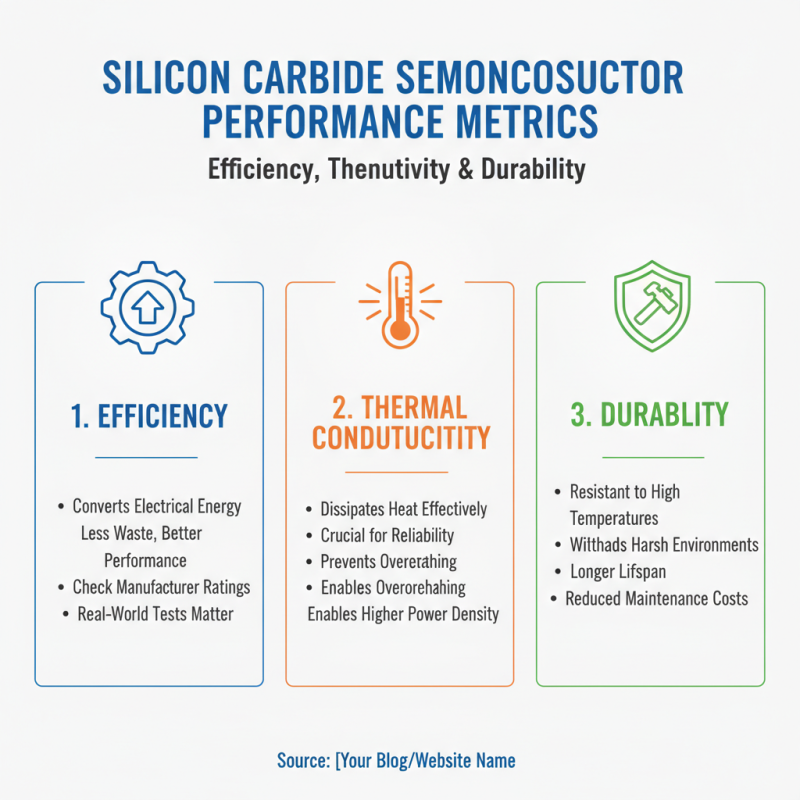
When selecting SiC semiconductor materials, several key factors must be evaluated. One critical aspect is the thermal conductivity of the material. Industry reports suggest that SiC boasts thermal conductivity values around 3.0 W/cm·K, significantly higher than traditional silicon. This property allows for better heat dissipation in high-power applications, which is essential for maintaining device reliability.
Another important factor is the breakdown voltage. SiC devices typically have a breakdown voltage exceeding 900V, making them suitable for high-voltage applications. This characteristic is vital for industries such as renewable energy and electric vehicles, where efficiency and performance are paramount. However, it's essential to consider that higher voltage capabilities can involve trade-offs in terms of switching speeds.
Cost considerations also play a significant role in material selection. Advanced SiC technologies can be expensive, impacting overall project budgets. Reports indicate that while SiC can enhance performance, the initial investment may deter some organizations. Balancing performance needs with budget constraints requires careful thought and planning. The selection process is often complex, requiring a detailed assessment of application-specific needs and potential trade-offs.
Evaluating Cost vs. Benefit: Budgeting for Your SiC Semiconductor Needs
When evaluating the cost versus benefit of SiC (silicon carbide) semiconductors, it's crucial to have a clear budget. SiC semiconductors can be more expensive initially. However, their efficiency and reliability often lead to long-term savings. Understanding your project’s specific needs will help you decide if the higher upfront cost is justified.
Consider your application's power requirements. SiC semiconductors excel in high-voltage and high-temperature environments. This can reduce energy losses, enhancing overall performance. Analyze any potential savings in energy costs over time. These long-term benefits might outweigh the initial price difference.
Tips: Always compare different suppliers for the best price. Look into their reliability history and customer feedback. A low price today may come with hidden costs later. Assess the specifications thoroughly to ensure they match your needs. Don't hesitate to reach out for expert advice; sometimes, technical insights can prevent costly mistakes.
Cost vs. Benefit Analysis of SiC Semiconductors
This chart illustrates the cost and performance rating of different SiC semiconductor categories. It provides a visual comparison for evaluating budget and performance requirements in your selection process.
Future Trends in SiC Technology: What to Expect in the Market
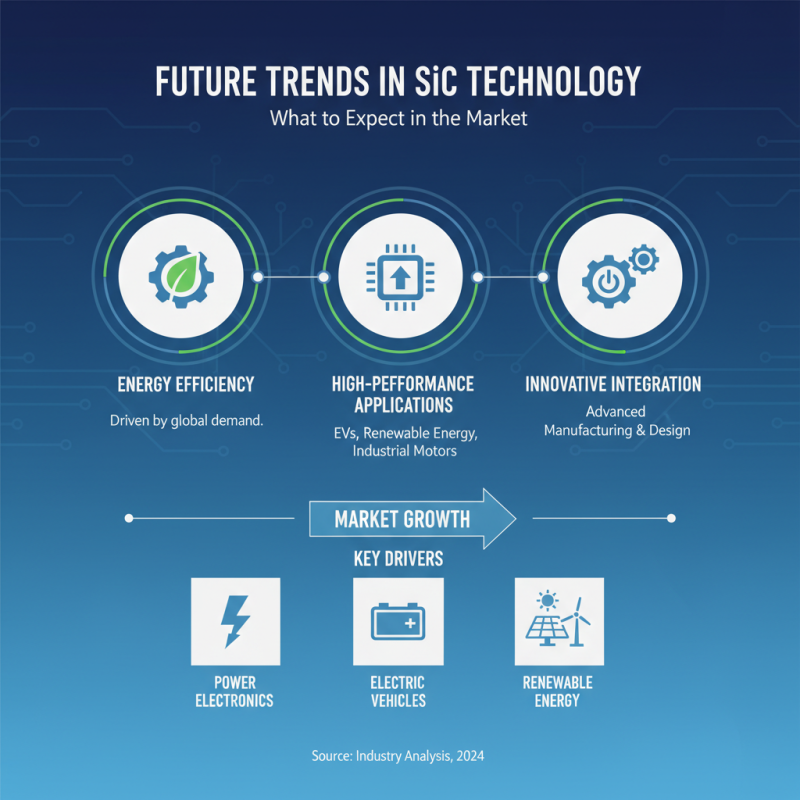
The landscape of SiC technology is rapidly evolving, driven by demand for energy efficiency and high-performance applications. Companies are now exploring innovative ways to integrate SiC components. This growth is fueled by advances in manufacturing processes and design methodologies. Emerging applications in electric vehicles, renewable energy, and industrial motors are reshaping market dynamics.
One notable trend is the focus on enhancing thermal conductivity and switching performance. Researchers are investigating new materials that can further improve SiC’s efficiency. However, challenges remain, including high production costs and the need for specialized manufacturing techniques. Many manufacturers are striving to balance performance with affordability.
In the near future, we can expect collaboration between academia and industry to accelerate development. This partnership could lead to new breakthroughs in SiC technologies. Market participants will need to stay informed about these advancements to remain competitive. Addressing issues like scalability and reliability will be essential for wider adoption. As the technology matures, consumers may face tough decisions on selecting the right semiconductor for their specific needs.