China Top 10 Silicon Steel Sheet Suppliers for Global Buyers?
In recent years, the global demand for Silicon Steel Sheets has surged. As industries seek efficient energy solutions, efficient manufacturing plays a key role in this demand. Dr. Emily Wang, a noted expert in materials science, states, "Silicon Steel Sheet applications are crucial for modern technology." Her insights reflect the growing importance of this material in various sectors.
China hosts several top suppliers in the Silicon Steel Sheet market. These suppliers emphasize quality and innovation in their production. However, challenges remain, including fluctuating raw material costs and environmental concerns. While some companies excel, others face issues that hinder their growth.
The landscape of Silicon Steel Sheet suppliers is competitive. Buyers must navigate this complexity carefully. Understanding supplier capabilities and market dynamics is essential for making informed choices. Ultimately, the quest for quality Silicon Steel Sheets continues, driven by innovation and a commitment to sustainable practices.
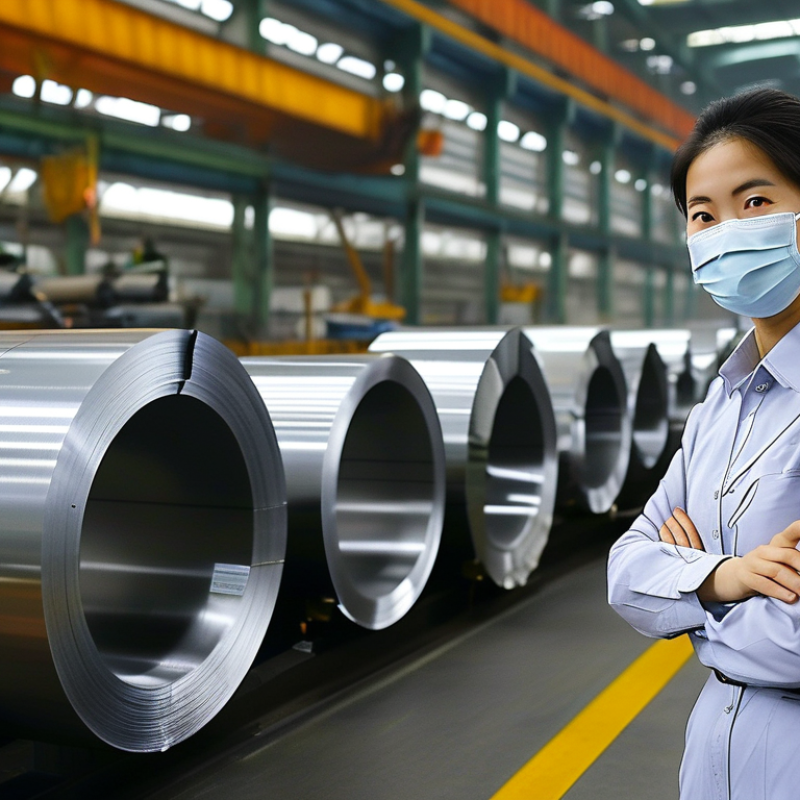
China's Silicon Steel Market Overview and Global Demand Trends
China's silicon steel market is experiencing notable shifts, shaped by increasing global demand. In 2023, the growth rate of silicon steel production in China is projected to reach 7.6%, driven by the booming electric vehicle and renewable energy sectors. These sectors require high-efficiency materials, creating a surge in the need for silicon steel sheets. With the global semiconductor market expected to hit $1 trillion by 2030, industries are closely monitoring China's output levels.
The rise in demand isn't without challenges. While production ramp-up is significant, quality control remains crucial. Reports indicate that around 25% of manufacturers face strict compliance issues, risking their market share. It's essential for suppliers to not only increase volume but also enhance the standards of their products. Feedback loops from international customers can be vital in this process, providing insights for improvements. Furthermore, market dynamics have led to a growing emphasis on sustainability, with 45% of businesses seeking eco-friendly solutions in the production cycle.
The competition in the silicon steel sector is fierce. Suppliers need to navigate volatile raw material prices and fluctuating demand, all while adhering to international quality benchmarks. Strategic partnerships and investments in technology are becoming essential for maintaining a competitive edge. As the landscape evolves, suppliers must remain agile, addressing needs while preparing for unpredictable shifts in the market.
Key Players in China's Silicon Steel Sheet Industry
China's silicon steel sheet industry is crucial for the global market. Various suppliers dominate this competitive space. Each player brings unique strengths and capabilities, contributing to the industry's overall growth.
One key player exhibits exceptional production capacity. Their advanced manufacturing techniques enhance efficiency. However, they sometimes face quality control challenges. These issues can lead to inconsistencies in product performance, raising concerns among global buyers. Close attention to quality assurance is essential for success in this market.
Tips: When selecting suppliers, consider their production capabilities. Assess their track record for quality and reliability. Diversifying your supplier base can mitigate risks associated with supply chain disruptions.
Another significant player focuses on sustainability. Their commitment to eco-friendly practices is commendable. However, the transition to greener processes can slow productivity. Striking a balance between sustainability and efficiency is a challenge many face. Analyzing the long-term impact of such approaches is crucial for industry standards.
Tips: Evaluate a supplier's sustainable practices. Determine if they align with your company's values and goals. Engaging with suppliers on sustainability efforts can foster better partnerships.
China Top 10 Silicon Steel Sheet Suppliers for Global Buyers
| Rank |
Supply Capacity (tons/year) |
Market Share (%) |
Export Experience (years) |
Key Products |
| 1 |
500,000 |
25 |
15 |
Electrical Steel, Transformer Steel |
| 2 |
450,000 |
23 |
20 |
Silicon Steel Sheets |
| 3 |
400,000 |
20 |
12 |
Cold Rolled Silicon Steel |
| 4 |
350,000 |
18 |
10 |
Grain-oriented Silicon Steel |
| 5 |
300,000 |
15 |
8 |
High-frequency Silicon Steel |
| 6 |
275,000 |
12 |
5 |
Sheet Steel for Electric Motors |
| 7 |
250,000 |
10 |
7 |
Amorphous Steel |
| 8 |
230,000 |
8 |
6 |
Silicon Steel for Transformers |
| 9 |
220,000 |
6 |
4 |
Cold Rolled Electrical Steel |
| 10 |
200,000 |
5 |
3 |
High Permeability Steel |
Technical Specifications and Quality Standards for Silicon Steel Sheets
Silicon steel sheets play a critical role in the manufacturing of electrical transformers and motors. These sheets are designed to reduce energy losses in electrical applications. The demand for high-quality silicon steel has grown due to the expanding need for efficient electrical equipment. Technical specifications for these sheets typically include core loss, magnetic flux density, and thickness, which directly affect performance.
Quality standards are essential for ensuring reliability and efficiency. Manufacturers must adhere to international standards like ASTM and IEC. These guidelines specify the mechanical and electrical properties of silicon steel. However, not all suppliers may consistently meet these standards. Different production techniques can lead to variations in quality. Buyers should conduct thorough evaluations of potential suppliers.
When sourcing silicon steel sheets, it’s important to consider both specifications and certifications. Check for compliance with quality control processes. Some suppliers may prioritize cost over quality. This can pose risks to performance and longevity. It’s essential to balance cost and quality to ensure the best outcomes for electrical applications.
Impact of Technology Advances on Silicon Steel Production
Recent advances in technology are reshaping silicon steel production significantly. Innovations in manufacturing techniques are making processes more efficient. For instance, automation is now widely adopted. This reduces human error and enhances precision. Alongside, advanced simulation tools help in optimizing designs before physical production. These technologies lead to better performance and reduced waste.
However, the shift is not without challenges. Integrating new technologies requires substantial investment. Many smaller suppliers may struggle to keep up. Moreover, there are concerns about the skill gap in the workforce. As machines become more sophisticated, the need for skilled operators increases. Not all employees may have the necessary training, which can hinder progress.
Despite these hurdles, the push toward modernization is evident. It paves the way for higher quality products. The global demand for energy-efficient solutions is growing. Thus, these advancements in silicon steel production are critical. They not only meet industry standards but also contribute to sustainability efforts.
Market Forecast: Growth Predictions for Silicon Steel Suppliers in China
As the demand for silicon steel continues to rise, the market for suppliers in China is becoming increasingly competitive. Analysts predict that the global silicon steel market will reach $33 billion by 2026. This growth represents a compound annual growth rate of approximately 6.2%. China's role in this market is crucial due to its substantial manufacturing capabilities and resource availability.
Experts highlight that China’s silicon steel production capacity accounted for about 50% of the global output in 2023. This dominance is driven by investments in innovative technologies and automation. However, challenges remain, including environmental regulations and fluctuating raw material prices. To maintain leadership, suppliers must also adapt to the growing demand for energy-efficient products.
Forecasts indicate that electric vehicle (EV) production will further fuel demand for silicon steel. With EV manufacturers prioritizing lightweight and efficient components, suppliers must focus on improving their product offerings. The evolving landscape requires agility in production and a keen eye on market trends to avoid falling behind. As the industry progresses, only those suppliers who embrace change and enhance their production processes are likely to thrive.