China Best Silicon Carbide Abrasive Products for Industrial Use?
Silicon Carbide Abrasive products play a critical role in various industries, including automotive, aerospace, and manufacturing. According to a report from MarketsandMarkets, the global silicon carbide market is projected to reach $3.9 billion by 2026, growing at a CAGR of 20.8%. This remarkable growth reflects increasing demand for durable and efficient abrasive materials.
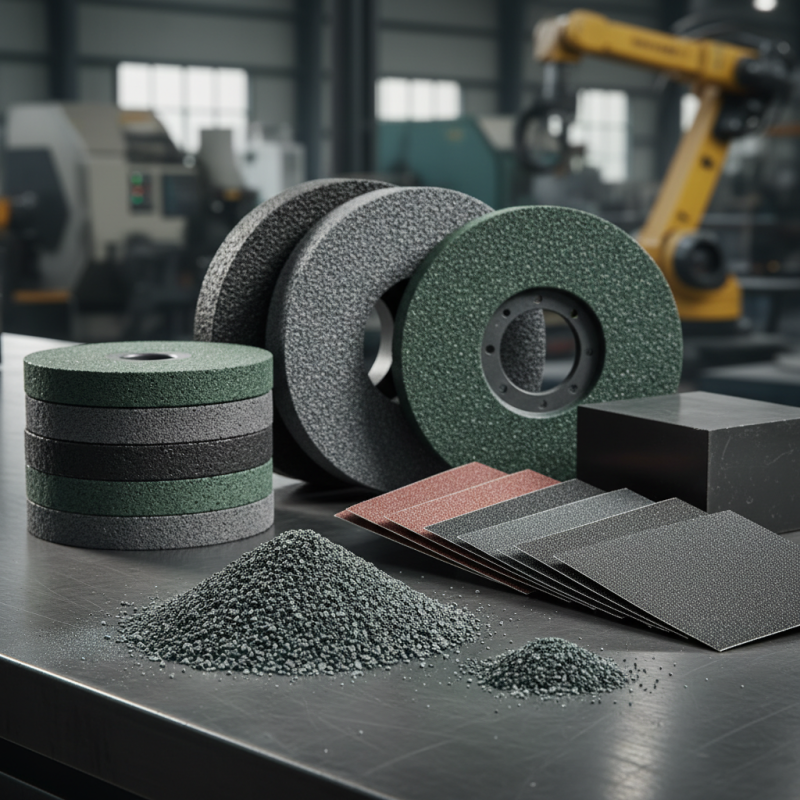
The unique properties of silicon carbide, such as its hardness and thermal conductivity, make it an ideal choice for grinding, polishing, and cutting applications. For instance, silicon carbide is often used in grinding wheels and sandpaper. These products not only increase productivity but also ensure high-quality finishes.
However, the industry faces challenges, such as fluctuating raw material prices and varying quality standards. Ensuring consistency in silicon carbide abrasive products can be difficult. As we explore the best options for industrial use, it's essential to consider both performance and reliability. Ultimately, selecting the right product can significantly influence operational efficiency and cost-effectiveness.
China's Dominance in Silicon Carbide Abrasives for Industrial Applications
China has established a significant foothold in the global silicon carbide (SiC) abrasive market for industrial applications. According to a recent market analysis, China's production accounts for more than 60% of the world's SiC abrasives. This dominance stems from advanced manufacturing techniques and abundant raw materials. With increasing demand in sectors like automotive and electronics, China demonstrates its ability to adapt and innovate.
Data reveals that the country's investment in R&D for silicon carbide technology exceeds $300 million annually. This investment enhances product quality and expands application fields. Industries are increasingly relying on SiC for its superior hardness and thermal conductivity. However, challenges persist. Quality control varies across manufacturers, leading to inconsistencies in product performance. Buyers must navigate these fluctuations carefully.
Moreover, environmental concerns arise from silicon carbide production. The manufacturing process can generate harmful emissions. Companies are urged to adopt greener practices. Balancing productivity with environmental responsibility is imperative for sustaining industry growth. China's leadership in the SiC sector must be matched by a commitment to sustainable methods, ensuring a viable future for all stakeholders.
China Best Silicon Carbide Abrasive Products for Industrial Use
| Product Type |
Main Application |
Abrasive Grain Size |
Bond Type |
Average Price (USD per kg) |
| Silicon Carbide F220 |
Metal Working |
F220 |
Resin Bond |
3.50 |
| Silicon Carbide F400 |
Glass Processing |
F400 |
Vitrified Bond |
4.20 |
| Silicon Carbide F1000 |
Ceramic Finishing |
F1000 |
Rubber Bond |
5.10 |
| Silicon Carbide F150 |
Woodworking |
F150 |
Ceramic Bond |
2.90 |
| Silicon Carbide F2000 |
Polishing |
F2000 |
Resin Bond |
6.50 |
Key Properties of Silicon Carbide That Enhance Abrasive Performance
Silicon carbide (SiC) is renowned for its exceptional properties, making it a preferred choice in abrasive applications. Its hardness is second only to diamond. This hardness enables silicon carbide abrasives to cut through tough materials effectively. That means reduced wear and increased longevity for tools.
Another key property is its thermal stability. Silicon carbide maintains performance at elevated temperatures. This quality allows for efficient operation in challenging environments. Users can expect consistent results even under strain. Additionally, SiC exhibits excellent resistance to chemical corrosion. This feature makes it suitable for diverse industrial applications.
Tips: When selecting silicon carbide abrasives, consider the specific material being processed. Each type of abrasive has a unique profile, influencing the end result. It's beneficial to trial different grades to find the optimal fit for your needs.
Ultimately, understanding the properties of silicon carbide can enhance your abrasive performance. Experimenting with various formulations can lead to impressive outcomes. Pay attention to the conditions under which you operate. This reflection can significantly improve efficiency and effectiveness in your industrial processes.
Market Trends: Demand and Growth Projections for Silicon Carbide Products
The market for silicon carbide (SiC) products is experiencing notable growth. This trend is driven by increasing demand in various industrial applications, including abrasives and semiconductors. Silicon carbide offers superior hardness and thermal stability, making it a preferred material for grinding, cutting, and polishing.
Experts suggest that industries are shifting towards eco-friendly materials. This transformation is fueling the growth of silicon carbide products. Additionally, the automotive and aerospace sectors are adopting SiC due to its lightweight properties. This trend is expected to accelerate in the coming years.
Tip: Consider researching suppliers who prioritize sustainability. Aligning with eco-conscious producers can enhance your company's reputation.
While the demand for SiC is rising, challenges remain. Some manufacturers face difficulties in sourcing high-quality raw materials. Quality control processes can also be inconsistent, affecting product reliability. Addressing these issues is crucial for maintaining market competitiveness.
Tip: Regularly review and audit your supply chain. A thorough assessment can help mitigate quality risks and ensure reliable sourcing.
Leading Manufacturers of Silicon Carbide Abrasives in China: An Overview
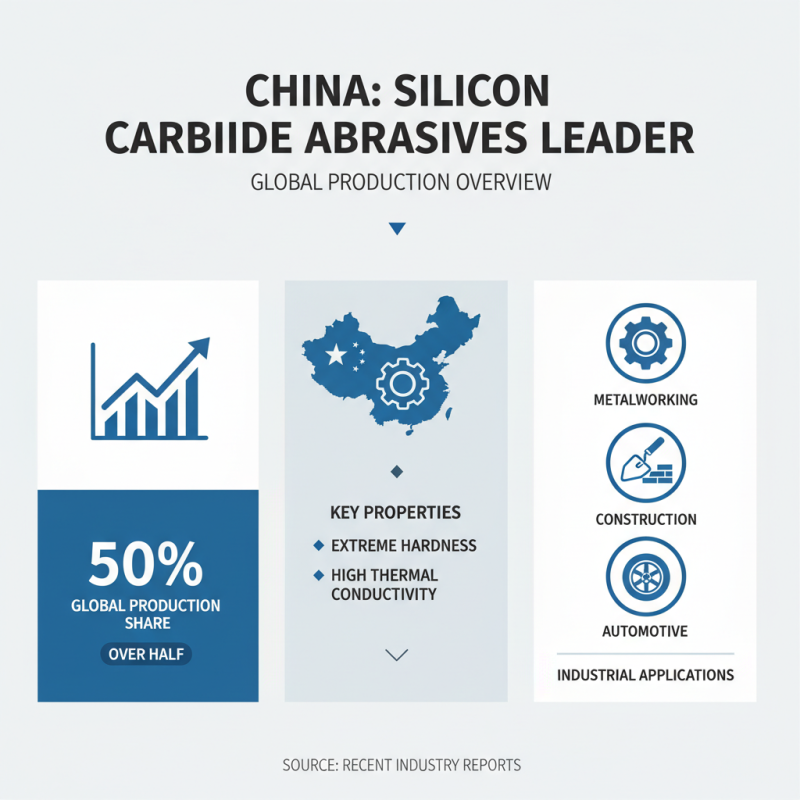
China has emerged as a major player in the silicon carbide abrasives market. The country accounts for over 50% of global production, according to recent industry reports. Silicon carbide is known for its hardness and thermal conductivity. These properties make it ideal for various industrial applications. Key sectors include metalworking, construction, and automotive industries.
Several manufacturers in China stand out for their output and innovation. They utilize advanced technology and skilled labor. However, challenges exist. Some companies face issues with quality consistency. This lack of uniformity can impact end-user satisfaction. Moreover, the rapid growth of production has raised environmental concerns. Sustainable practices are still developing in this sector.
Industry experts recommend focusing on quality over quantity. The best manufacturers often prioritize R&D. Investing in better processes can yield superior products. Consumers are encouraged to research suppliers cautiously. Data suggest that companies with strong quality control tend to have happier clients. While the market is booming, it is essential to navigate it wisely.
Comparison of Silicon Carbide with Other Abrasive Materials in Industry
When examining silicon carbide (SiC) abrasives, it's important to compare them with other common materials like aluminum oxide and diamond. Silicon carbide stands out because of its sharpness and durability. It is particularly effective in grinding hard materials. In industries where precision is crucial, SiC is often favored.
Aluminum oxide is another popular option. While it is tough, it may not match the edge retention of silicon carbide. Diamond abrasives, on the other hand, offer extreme hardness. They excel in cutting applications but can be costly. Each material has its unique strengths, and the selection often depends on the specific needs of the job.
Tips: Consider the material you are working with. SiC is ideal for harder materials, while aluminum oxide can be effective for softer ones. Always evaluate your project requirements carefully. Remember, not every abrasive fits all needs. Experiment with different types to find what works best for you.