What Are the Benefits of Using Metal Silicon in Industry?
Metal Silicon plays a crucial role in various industries, providing an essential ingredient for modern manufacturing processes. According to Dr. Emily Carter, a leading expert in the field, "The use of Metal Silicon can greatly enhance product quality and efficiency." This highlights its significance in enhancing industrial productivity.
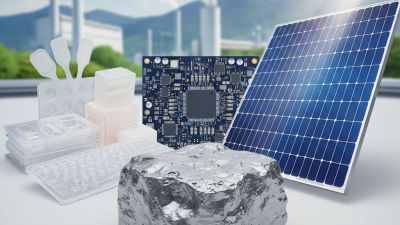
Many sectors, such as electronics and solar energy, rely heavily on Metal Silicon. Its unique properties make it ideal for producing semiconductors and photovoltaic cells. The growing demand for renewable energy sources increases the need for high-quality Metal Silicon. However, it's essential to address the environmental impacts associated with its production.
While Metal Silicon shows immense potential, challenges persist. The extraction and refinement processes can be energy-intensive. This poses questions about sustainability and efficiency. Ongoing innovation is necessary to minimize negative effects while maximizing benefits. As industries evolve, Metal Silicon will remain a critical component, demanding our attention and responsibility.
Understanding Metal Silicon: Properties and Uses in Industry
Metal silicon is a versatile material widely used in various industries. Its properties make it essential for producing aluminum alloys, electronics, and solar cells. Metal silicon is known for its high melting point and excellent electrical conductivity. This makes it a preferred choice for many applications.
In aluminum production, metal silicon enhances strength and corrosion resistance. The addition of silicon to aluminum allows for lighter and stronger materials, which are crucial in automotive and aerospace industries. Moreover, its role in the manufacturing of semiconductors can’t be overstated. Metal silicon serves as a primary source of silicon for high-purity applications.
When using metal silicon, it's important to consider safety. Handling the material requires proper safety equipment to avoid exposure to fine dust. Always ensure good ventilation in workspaces. For those new to the material, starting with small quantities may be wise.
Another reflection is its cost fluctuations. Prices can vary widely based on market demand and supply. Staying informed about market trends can help manufacturers make better purchasing decisions. Keep an eye on industry reports for the latest information on pricing and availability.
Advantages of Metal Silicon in Semiconductor Manufacturing
Metal silicon is a vital material in semiconductor manufacturing, providing excellent electrical conductivity and thermal stability. Its purity and structure make it ideal for creating silicon wafers, the foundation of integrated circuits. The high melting point of metal silicon allows manufacturers to operate at extreme temperatures during processing.
In the production process, metal silicon reduces the formation of defects in wafers. This leads to higher yields and better performance in electronic devices. Additionally, using metal silicon supports the advancement of miniaturization. Smaller devices require precise materials that can enhance their efficiency.
However, sourcing metal silicon can be challenging. The raw material must meet strict quality standards, and impurities can affect performance. Ensuring a consistent supply chain and rigorous testing is essential. Despite these challenges, the benefits of metal silicon in semiconductor manufacturing make it a worthwhile investment.
Advantages of Metal Silicon in Semiconductor Manufacturing
Role of Metal Silicon in Aluminum Production and Alloys
Metal silicon plays a crucial role in aluminum production and alloys. It acts as a significant alloying agent. Adding metal silicon improves the strength and corrosion resistance of aluminum. This enhancement makes aluminum more suitable for demanding applications. Many industries, including automotive and aerospace, rely on these properties.
The presence of silicon in aluminum alloys also contributes to better casting characteristics. It reduces shrinkage and cracking during the solidification process. These qualities are vital for creating complex shapes and maintaining structural integrity under stress. Manufacturers appreciate the cost-effectiveness of using metal silicon, as it can enhance performance without significantly increasing production costs.
When working with metal silicon, remember that purity matters. Higher purity silicon leads to improved alloy properties. While exploring this material, consider the environmental impact of production. Understanding the trade-offs of using metal silicon is essential. Balancing efficiency and sustainability can be a challenge, but it is worth addressing.
What Are the Benefits of Using Metal Silicon in Industry? - Role of Metal Silicon in Aluminum Production and Alloys
| Dimension |
Description |
Benefits |
| Purity Level |
High purity silicon used in aluminum casting |
Improves mechanical properties of aluminum |
| Alloying Agent |
Silicon is used to alloy aluminum |
Enhances strength and reduces shrinkage |
| Electrical Conductivity |
Application in electrical applications |
Increases the overall conductivity of alloys |
| Corrosion Resistance |
Silicon improves corrosion resistance in aluminum |
Prolongs the lifespan of metal components |
| Casting Performance |
Used in die-casting processes |
Enhances casting fluidity and minimizes defects |
Benefits of Metal Silicon in Solar Cell Production
Metal silicon plays a crucial role in solar cell production, enhancing efficiency and performance. It serves as a key ingredient in producing high-purity silicon wafers used in photovoltaic cells. These cells convert sunlight into electricity, a process essential for renewable energy.
Using metal silicon can significantly reduce costs in production. Its availability makes it a preferred choice for manufacturers. Moreover, silicon’s excellent semiconductor properties improve energy conversion efficiency. Many solar panels use silicon to optimize their output, making them more efficient over their lifespan.
Tips for manufacturers include sourcing high-quality metal silicon to ensure optimal performance. Investing in advanced melting and processing techniques can also yield better results. Regular quality checks can help maintain the purity levels needed for solar applications. Remember to assess your supply chain reliability for consistent production.
Environmental Impact and Sustainability of Metal Silicon Usage
The use of metal silicon has garnered attention due to its environmental benefits. According to a 2022 report by the International Energy Agency, silicon production emits much less CO2 compared to traditional metals. This makes metal silicon a more sustainable choice for various industries, especially in the production of solar panels. The shift towards renewable energy is critical in reducing global carbon footprints.
Moreover, metal silicon plays a role in recycling efforts. A study from the Journal of Cleaner Production found that silicon recycling techniques can recover up to 90% of the material. This reduces waste and conserves resources, making it an eco-friendly option. However, industries must develop efficient recycling processes to fully exploit these benefits.
Despite its advantages, there are challenges. The extraction and purification processes of metal silicon can still have environmental implications. Some methods require high energy inputs or produce waste byproducts. These factors remind us that while metal silicon has benefits, ongoing improvements are necessary to ensure true sustainability in its usage. The pursuit of cleaner methods should remain a priority for industry stakeholders.