What are the Benefits of Silicon Carbide Heating Elements?
Silicon Carbide Heating Elements have become a significant topic in the heating technology industry. According to Dr. James Turner, a leading expert in thermal management solutions, "Silicon Carbide Heating Elements provide unparalleled efficiency and durability." This statement highlights why many industries are turning to these advanced materials.
These heating elements excel in high-temperature applications. They are known for their remarkable thermal conductivity and resistance to oxidation. This makes them ideal for harsh environments, such as metallurgy or semiconductor manufacturing. Manufacturers are increasingly recognizing their benefits. Yet, challenges in mass production and material costs remain.
Furthermore, the transition to Silicon Carbide Heating Elements is not solely about performance. It's also about sustainability. They typically consume less energy than traditional heating elements, reducing overall operational costs. Companies see potential savings, yet some are hesitant to make the switch due to initial investments. As this technology continues to evolve, the importance of Silicon Carbide Heating Elements will likely only grow.
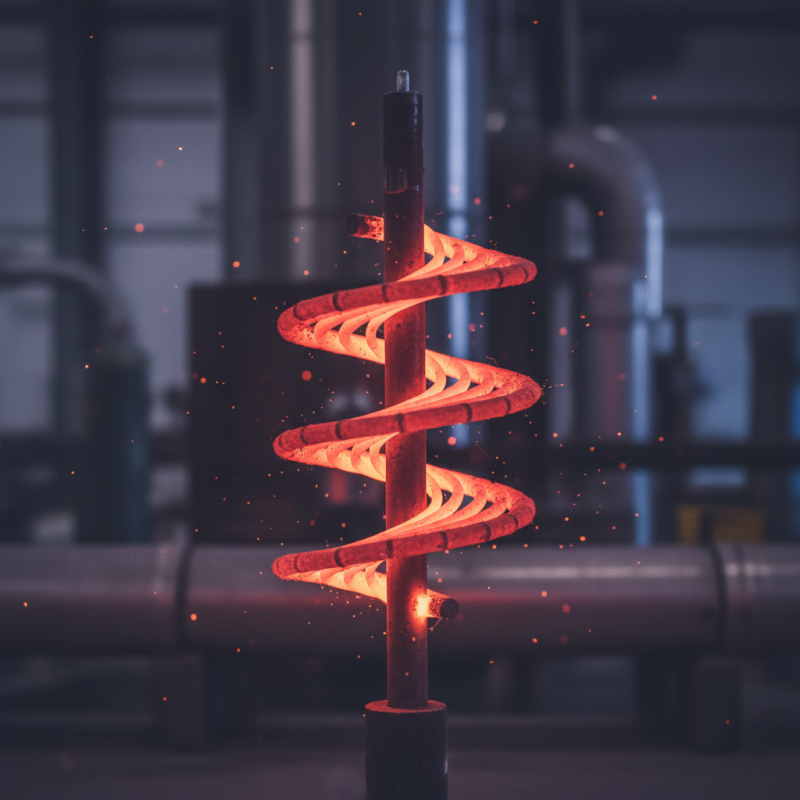
Benefits of Silicon Carbide Heating Elements in High-Temperature Applications
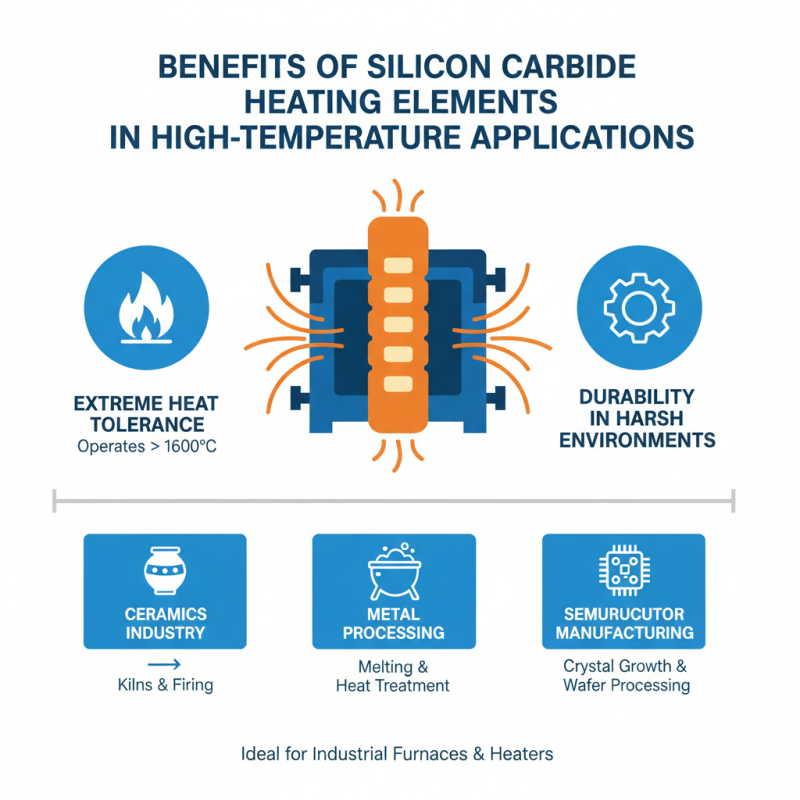
Silicon carbide heating elements are increasingly valued in high-temperature applications. These elements can withstand extreme conditions, reaching temperatures over 1,600 degrees Celsius. Their ability to operate in such harsh environments makes them ideal for industries like ceramics, metal processing, and semiconductor manufacturing.
One significant benefit is their thermal efficiency. Silicon carbide elements heat up quickly and maintain high temperatures. This efficiency reduces energy consumption, leading to cost savings over time. However, care must be taken. These elements are sensitive to mechanical shock and may degrade if mishandled. Operators must ensure proper installation to maximize their lifespan.
Another advantage is their high thermal conductivity. This feature ensures even heat distribution, crucial for processes requiring precision. Despite these benefits, users should be aware of potential challenges, such as brittleness. Regular inspections are necessary to avoid failures during critical operations. Investing in training for personnel is essential for optimal usage and maintenance.
Energy Efficiency: Comparing Silicon Carbide and Traditional Heating Elements
Silicon carbide heating elements stand out for their energy efficiency. These elements operate at higher temperatures than traditional metal heating elements. They can reach up to 1,600 degrees Celsius. This capability allows them to transfer heat more effectively. As a result, they use less energy to achieve the desired heating levels. Many users find this aspect particularly appealing. An annual energy savings can be significant, depending on application and usage.
In comparison, traditional heating elements often waste energy. They do not transform electricity into heat as efficiently. Some conventional materials lose heat through radiation and convection. This inefficiency leads to higher utility bills. Users often complain about the inconsistent temperatures these elements provide. In contrast, silicon carbide elements provide superior temperature stability. This creates a reliable heat source and enhances process control. However, the initial investment for silicon carbide may be higher, raising concerns for some buyers. Reflections on costs can lead to more informed decisions.
Durability and Longevity of Silicon Carbide Heating Elements
Silicon carbide heating elements are known for their exceptional durability. They can withstand extremely high temperatures, making them ideal for industrial applications. Unlike traditional materials, silicon carbide offers excellent resistance to thermal shock. This means they won’t crack or break easily when exposed to rapid temperature changes.
A key reason for their longevity is their chemical stability. They resist oxidation and degradation over time. Various environments, including corrosive atmospheres, have little impact on their performance. Users can expect these heating elements to operate efficiently for extended periods, reducing the need for frequent replacements.
**Tip:** Regular maintenance can enhance the lifespan of silicon carbide heating elements. Inspect them periodically for any signs of wear or damage.
Another benefit is their energy efficiency. Silicon carbide heating elements require less power to reach high temperatures. This results in lower operational costs, an important factor for businesses. However, it’s crucial to consider the installation environment, as improper installation can lead to inefficiencies.
**Tip:** Always follow manufacturer guidelines to ensure optimal performance. Neglecting installation requirements may lead to premature failure.
Benefits of Silicon Carbide Heating Elements
Thermal Conductivity: Enhancements Offered by Silicon Carbide Technology
Silicon carbide (SiC) heating elements are gaining attention for their superior thermal conductivity. This property allows them to transfer heat efficiently, which can result in energy savings. SiC can withstand high temperatures and is used in various industrial applications, from furnaces to semiconductor manufacturing. The efficiency of SiC enhances production processes and reduces operational costs.
One notable point is the ability of silicon carbide to maintain stability at extreme temperatures. This stability minimizes energy loss, making processes more reliable. However, users must ensure proper installation and maintenance to avoid potential issues. The durability of SiC can be a double-edged sword; while it is robust, improper handling can lead to unexpected failures.
Heat distribution is another critical aspect. SiC heating elements enable uniform heating across surfaces, preventing hot spots. This can improve product quality but also requires careful monitoring. Users should remain vigilant about temperature fluctuations. Though SiC offers clear advantages, the investment costs can be significant. It encourages manufacturers to weigh the long-term benefits against initial expenses. This balance is crucial for making informed decisions about integrating silicon carbide technology into existing systems.
Applications and Industry Adoption of Silicon Carbide Heating Elements in Manufacturing
Silicon carbide (SiC) heating elements are increasingly adopted in various manufacturing sectors. Their ability to withstand high temperatures makes them ideal for industrial applications. These elements can deliver rapid heating and precise temperature control. This results in improved efficiency for processes like sintering and metal processing.
In the semiconductor industry, SiC elements provide superior performance compared to traditional materials. They have a longer lifespan and better thermal conductivity, which enhances energy efficiency. This means less downtime for equipment maintenance. However, challenges remain in the widespread adoption of SiC heating elements. The initial costs can be higher than conventional options. Manufacturers must weigh the long-term savings against these upfront expenses.
Some industries are more hesitant to implement this technology. This could stem from a lack of familiarity with SiC heating elements. Training and research may be necessary to ease these concerns. As demand for energy-efficient and high-performance materials grows, the trend toward silicon carbide may accelerate. The element's integration into everyday processes still requires careful evaluation of its benefits and drawbacks.
Benefits of Silicon Carbide Heating Elements
| Benefit |
Description |
Applications |
Industry Adoption |
| High Efficiency |
Silicon carbide heating elements have higher thermal efficiency compared to traditional materials. |
Industrial furnaces, semiconductor manufacturing |
Growing adoption in high-temperature applications |
| Durability |
Resistant to oxidation and thermal shock, leading to longer life spans. |
Glass production, ceramic drying |
Widely accepted in industries requiring high durability components |
| Temperature Range |
Can operate at high temperatures, typically above 1600°C. |
Metal treatment, high-temperature kilns |
Increasing use in metalworking industries |
| Environmental Friendliness |
Silicon carbide is a more environmentally friendly alternative to metal heating elements. |
Sustainable production processes |
Adoption in green technologies and eco-friendly initiatives |
| Versatility |
Can be designed for various shapes and sizes, suitable for different applications. |
Custom heating solutions across sectors |
Adopted in diverse manufacturing and industrial settings |