What Are the Benefits of Silicon Carbide Abrasive in 2026?
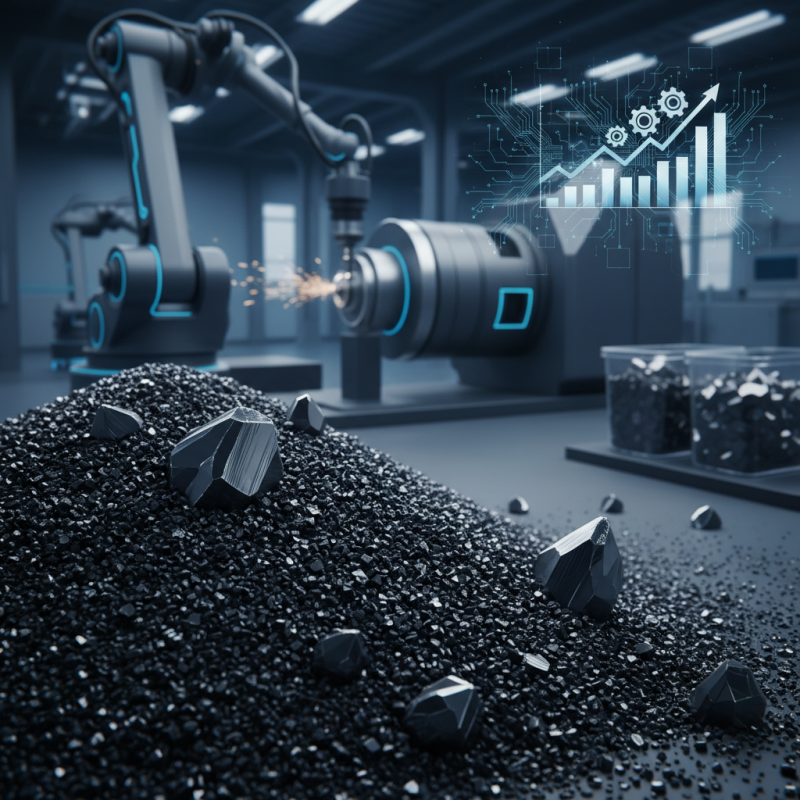
In 2026, the demand for Silicon Carbide Abrasive is expected to rise significantly. This material is known for its hardness and durability. Industries are increasingly recognizing its potential for efficient performance.
Silicon Carbide Abrasive can enhance processing speeds in manufacturing. Its sharp edges allow for superior cutting. Additionally, it generates less heat during operation, reducing wear and tear on machinery. This benefit is crucial for prolonging equipment lifespan.
However, there are challenges to consider. The initial cost may deter some companies. Furthermore, the recycling of Silicon Carbide Abrasive is not straightforward. Thus, while this material holds promise, it requires deeper exploration. Overall, the future looks bright, yet it calls for careful evaluation.
Benefits of Silicon Carbide Abrasives in Industrial Applications
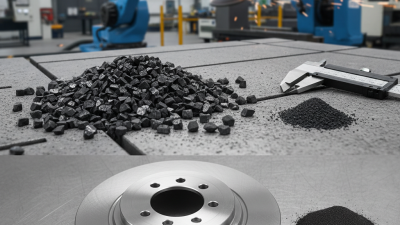
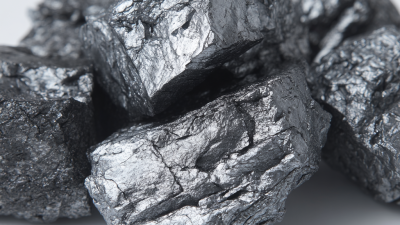
Silicon carbide abrasives have gained traction in industrial applications due to their unique properties. They are known for their hardness and durability. This material ranks higher on the Mohs scale than most traditional abrasives. According to a recent market analysis, the silicon carbide abrasives market is projected to reach $1.5 billion by 2026. This signifies a growing reliance on these materials across various sectors.
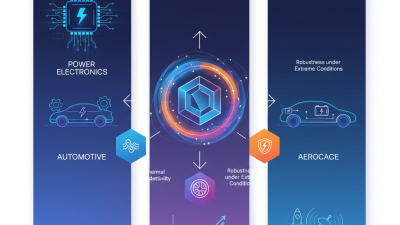
Industries such as automotive, aerospace, and electronics are increasingly adopting silicon carbide abrasives. They offer superior cutting performance and longer tool life. Reports suggest that using silicon carbide can improve machining efficiency by up to 30%. However, the initial investment can be higher. Companies need to weigh the long-term benefits against upfront costs.
Moreover, the environmental impact of sourcing silicon carbide is still under scrutiny. Alternatives might be less effective but may offer a lower carbon footprint. This is a growing concern in today’s manufacturing climate. Overall, while silicon carbide abrasives provide remarkable advantages, including faster production rates and reduced wear, companies must balance these with potential ramifications.
Enhanced Performance Metrics of Silicon Carbide Abrasives in 2026
The enhanced performance metrics of silicon carbide abrasives in 2026 are noteworthy. These materials are known for their exceptional hardness, making them ideal for tough applications. In industries like automotive and aerospace, silicon carbide abrasives provide superior cutting efficiency and durability. As manufacturing processes evolve, the need for higher precision increases. Silicon carbide abrasives can meet this demand with consistent performance.
Tips: Always test abrasives on a small scale before full deployment. This can save time and resources. Measure performance metrics specifically for your application. Different materials may react differently.
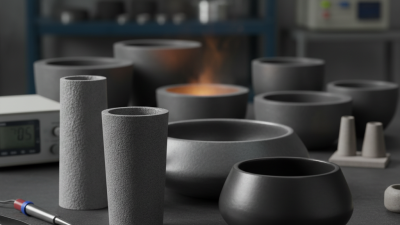
Additionally, silicon carbide offers better thermal stability. This leads to less degradation during high-temperature operations. However, users must still be cautious. Not all operations may benefit equally from their use. Some tasks may require a more nuanced approach to abrasive selection. It's essential to consider the overall workflow before committing fully to silicon carbide abrasives. Adjustments may be necessary along the way.
Tips: Regular monitoring of abrasive wear can provide insights into performance. Pay attention to how abrasives handle various materials. It can make a significant difference in achieving optimal results.
Cost-Effectiveness of Using Silicon Carbide Abrasives in Manufacturing
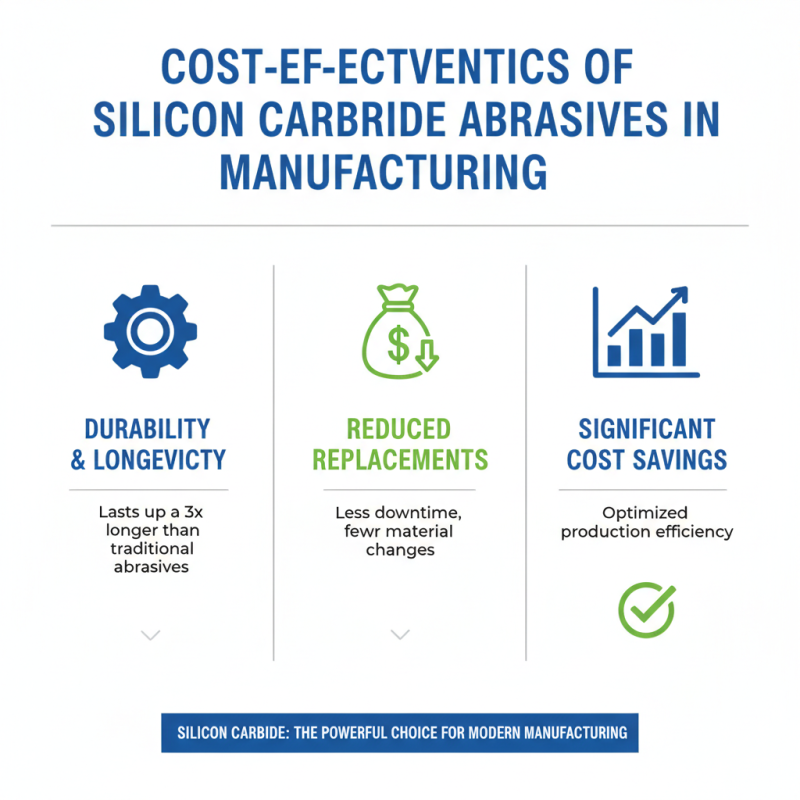
Silicon carbide (SiC) abrasives are gaining traction for their cost-effectiveness in manufacturing. As industries look to optimize production efficiency, SiC abrasives prove to be a powerful choice. They showcase durability and longevity, reducing the need for frequent replacements. Reports indicate that SiC abrasives can last up to three times longer than traditional materials, significantly cutting down costs.
Cost savings are crucial. According to a recent industry analysis, companies that switch to SiC abrasives may save 20-30% on material costs over time. This is mainly due to reduced wear on tools and machinery, leading to lower maintenance expenditures. However, manufacturers must consider initial investments. While prices may be higher upfront, the long-term gains can outweigh these expenses.
Tips: Monitor your abrasive usage closely. Data-driven decisions can prevent waste and optimize spending. Also, ensure staff are trained to use SiC abrasives correctly. Misuse can lead to poor performance and higher costs. Remember, evaluating your current processes might reveal areas for further improvement. Updating your machinery to handle SiC abrasives can also result in better efficiency.
Environmental Impact and Sustainability of Silicon Carbide Abrasives
Silicon carbide abrasives are gaining attention for their environmental impact and sustainability. These materials are not only efficient in industrial applications but also offer advantages in reducing waste. Their durability means they last longer than many traditional abrasives. This longevity translates to less frequent replacements and lower overall material consumption.
However, the manufacturing process of silicon carbide can raise concerns. Energy-intensive processes are often involved. This may lead to higher carbon emissions compared to other materials. Efforts to improve energy efficiency are ongoing, but are they fast enough? Companies are exploring alternative methods to produce these abrasives with a lower environmental footprint.
Sustainability also hinges on recycling. Used silicon carbide abrasives can be repurposed or reconditioned. Yet, the availability of such programs varies. If more industries adopt these practices, positive change will occur. It’s a step in the right direction, but not all sectors prioritize this. Questions remain about the future of silicon carbide abrasives. Will the focus shift more to sustainable practices? Only time will tell.
What Are the Benefits of Silicon Carbide Abrasive in 2026? - Environmental Impact and Sustainability of Silicon Carbide Abrasives
| Benefit |
Description |
Environmental Impact |
Sustainability Factor |
| High Hardness |
Silicon carbide abrasive maintains exceptional hardness. |
Minimized waste due to longer lifespan. |
Supports resource conservation. |
| Thermal Conductivity |
Excellent thermal conductivity leads to better machining performance. |
Lower energy consumption in processes. |
Promotes energy efficiency. |
| Chemical Resistance |
Resistant to various chemicals, extending use in harsh environments. |
Reduced hazardous waste production. |
Enhances safety in manufacturing. |
| Versatility |
Applicable in multiple industries including automotive, aerospace, and electronics. |
Facilitates recycling of materials across sectors. |
Supports circular economy practices. |
| Cost-effectiveness |
Lower operational costs due to less frequent replacement. |
Less resource extraction required over time. |
Encourages sustainable purchasing decisions. |
Future Trends and Innovations in Silicon Carbide Abrasive Technologies
Silicon carbide (SiC) abrasive continues to evolve, shaping various industries. By 2026, innovations are expected to enhance its efficiency. These advancements may focus on refining particle sizes for better surface finish. Greater control over production processes will lead to more consistent qualities.
Tips: Always consider application needs when choosing abrasives. Understand the specific requirements of your project. This knowledge can guide material selection.
Research indicates innovations may also target environmental impacts. Improved recyclability and reduced waste could become standard. Industries are under pressure to adopt sustainable practices. However, transitioning to greener solutions might not be straightforward. Challenges remain in balancing efficiency and sustainability.
Tips: Explore new technologies in your field. Keep an eye on trends. They can provide insights for better practices. Embrace adaptability in your methods and tools.